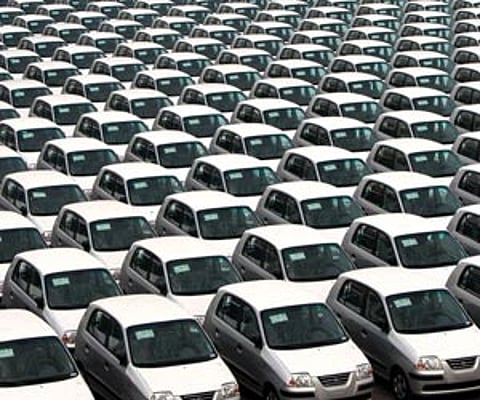

The Indian auto industry produced 23.37 million vehicles in 2014-15 (increase of 8.68 % over 2013-14). Today, we are the second largest producers of 2-wheelers globally (16 million units) and the first in 3-wheelers (0.5 million units). The auto sector also contributes 7.1% of overall GDP and 49% of the country’s manufacturing GDP, while employing 29 million people. Forecasts place India to be the world’s third largest auto producer this year. This is therefore a key manufacturing segment from a Budget point of view. It also has the potential to contribute 10% of national GDP. In fact, that was the stated goal of the Automotive Mission Plan 2006-16, but the industry is going to fall short of the target.
From an export perspective, 2-wheeler and 3-wheeler exports have shown steady growth in the last few years, but in the recent past exports to African countries like Nigeria, Ethiopia, Angola and Egypt have been adversely impacted due to restricted availability of US dollar. It would be helpful if a bilateral free-trade agreement at the government level can be agreed upon, as it would give a much-needed fillip to the export market. The export potential is tremendous and is expected to continue to grow in the coming years. However, adequate steps have to be taken to enhance and promote exports.

On the tax front, the Budget need to take bold measures projecting the nation is determined to be an economic powerhouse with radical reforms. The need of the hour is to successfully implement key structural reforms that can reduce inefficiencies that have a multiplier effect on overall growth. This includes the passage of the GST, which is the basis for creating a common market that will replace multiple levels of cascading taxation. I hope all sections of polity will reach a consensus soon to pass this most significant tax reform since Independence.
Ideally, 2-wheelers and 3-wheelers should attract a lower duty when compared to larger vehicles. This will fire stable growth in secondary and rural markets where improved connectivity and transportation have the potential to connect markets and lower supply chain costs across industries.
Deductions in expenditure on R&D for computation of expenses under Corporate Tax for green vehicles/ auto technologies should be considered for the next 10 years. This will give 2-wheeler manufacturers a chance to plan better and commit to long-term R&D.
Tax incentives in the form of Scrap Subsidy to manufacturers with clear ‘End of Life Policy’ for old vehicles and for replacement of vehicles older than 10 years that do not conform to emission norms will support environment friendly initiatives by removing pollution-causing vehicles from roads, reduce fuel consumption and improve demand for automobiles. In addition, all expenses relating to meeting new emission norms should be treated as R&D expenditure attracting a higher tax allowance.
In terms of incentivising consumers, the government should also consider lower interest rates for financing loans for electric 2-wheelers and 3-wheelers as well as for loans for 2-wheelers and 3-wheelers to encourage growth in secondary markets.
(The writer is President and CEO, TVS Motor Company)