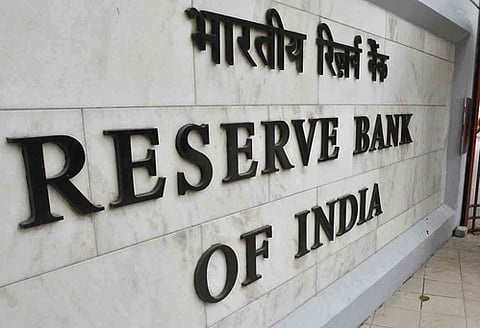

MUMBAI: Domestic financial system remains resilient, underpinned by strong bank and non-bank balance sheets, said the Reserve Bank's Financial Stability Report (FSR) released on Tuesday.
Scheduled Commercial Banks (SCBs) remain safe and sound, supported by strong capital and liquidity buffers, continued improvement in asset quality, and stable profitability, it said.
It further said macro stress test results indicate that the banking system remains well-positioned to absorb potential shocks, with aggregate capital ratios projected to remain comfortably above regulatory thresholds even under hypothetical adverse scenarios.
Non-banking financial companies (NBFCs) also remain financially sound, supported by strong capitalisation, healthy profitability, and improving asset quality.
However, the report noted that AI-enabled cyberattacks are the most important near-term challenge from a cyber threats perspective.
In the Foreword to the report, RBI Governor Sanjay Malhotra said that the global economy and the financial system are being reshaped by two profound forces -- growing geopolitical fragmentation and technological disruption brought about by rapid advances in artificial intelligence (AI).
Despite ongoing conflicts and persistent supply chain disruptions, the global economy has remained resilient, buoyed in part by optimism about potential AI-driven productivity gains, he said, adding that the near-term outlook, however, remains uncertain amid the rapidly evolving global environment.
"The Indian economy and the financial system have demonstrated remarkable resilience despite facing external shocks of significant magnitude. Strong growth, low inflation, healthy balance sheets of financial and nonfinancial firms, and ample buffers have helped preserve macro-financial stability," Malhotra said.
"Nevertheless, we remain alert to evolving external and domestic risks and are committed to further strengthening the guardrails that protect our economy and financial system from potential shocks," he said.
The governor also said the central bank acknowledges that the risk of adverse external shocks has increased, with geopolitical conflicts and fragmentation emerging as key challenges for policymakers.
