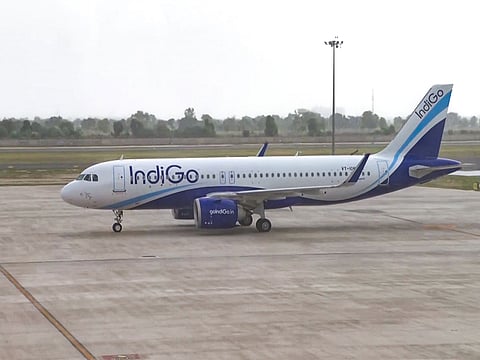

IndiGo has no choice but to consider increasing airfares to offset elevated aviation turbine fuel (ATF), or jet fuel, prices, CEO Willie Walsh said on Thursday after the country’s largest airline reported a consolidated net loss of Rs 1,879 crore for the July–September quarter of this fiscal (Q2FY27). The loss is primarily attributed to aircraft fuel expenses which rose 67% to Rs 9,967 crore in Q2FY27 from Rs 5,962 crore in Q2FY26.
“We have no choice but to look to increase fares in an effort to offset some of the very significant increase that we've seen in the fuel bill,” Walsh said, adding that jet fuel prices will be high in the December quarter as well. He estimated IndiGo has recovered only around 60% of the increase in fuel costs through fare hikes and other measures.
"We haven't been able to offset the very significant increase in the fuel bill. We estimate, similar to many airlines around the world, we've probably recovered about 60%," Walsh said.
Following a re-escalation in the West Asia crisis, all major airlines in India revised and reintroduced fuel surcharges. Earlier this month IndiGo, which controls nearly two-thirds of India’s domestic air traffic, reintroduced fuel surcharges ranging from Rs 375 to Rs 10,000, depending on the route and sector.
The airline’s revenue from operations rose 26% year-on-year to Rs 23,364 crore in Q2FY27, while total expenses came at Rs 26,188 crore. Besides fuel expenses, rupee depreciation against the dollar also weighed on IndiGo’s profitability.
Walsh said that early indications highlight that the December quarter will probably see higher fuel costs. He explained that the jet fuel crack spread - the premium of jet fuel over crude oil - has risen far beyond historical levels of about 21-22% to an average of around 65% this year.
ATF prices for domestic operations rose 13.2% month-on-month in October 2026, increasing by around Rs 16,000 per kilolitre from September levels. On a year-on-year basis, prices were 46.2% higher. The global average jet fuel price last week stood at $196/bbl, according to AITA’s jet fuel price monitor. It used to hover around $85 to $90 per barrel before the war began in West Asia on February 28.
India’s capacity reduced by 1% to 40.8 billion Available Seat Kilometres (ASKs) in Q2FY27 and passenger numbers came down by 4.7% to 27.5 million. The airline expects single-digit growth in ASK in the third quarter of fiscal year 2027.
