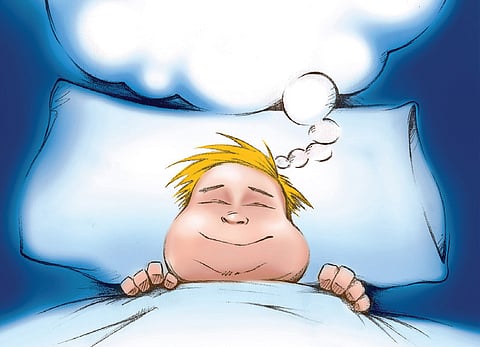

Ravi, in first year of college, says he is unable to sleep; he says he feels tired in the morning and nods off during classes; he met with an accident yesterday while riding his bike at night. He said he fell asleep while riding.
Sleep is important for human survival and plays an important role in a student’s life. Sleep allows relaxation and a third of our lives is spent in sleeping. A student like Ravi needs at least eight hours of sleep. Remember, when we sleep well we wake up feeling alert and ready to face the day, looking fresh and rested. In the modern world sleep disorders are on the rise despite labour saving devices and technology as there is little time left at the end of the day, which often eats into our sleep time.
What are sleep-related problems? Difficulty in falling asleep, or getting restful sleep, excessive dreaming, snoring, breathing problems and motor restlessness during sleep including constantly checking our mobile phones (with noisy message alerts) or the inbox in our laptops. Some of us may have difficulty waking up in the morning after going to bed late. Many of us may prefer working late, staying up into the wee hours of the morning to catch up with projects or studies and this can disturb the sleep wake cycle. Drinking alcohol, use of tobacco, health problems, lack of exercise and stress add to it; large and spicy meals don’t help. Frequently watching movies or playing video games late into the night, long hours of surfing on the internet, chatting on social networking sites add to our woes.
What are the consequences? Feeling sleepy in class, getting into accidents (in vehicles), difficulty in concentrating, memory lapses, poor work output affecting quality. Sleep deprivation can cause psychological problems such as irritability, fatigue, anxiety, anger, mood changes including disturbed interpersonal relationships with family and friends. Research studies on sleep and adolescents reveal an association between sleep deprivation and poorer grades and depression.
Sleep hygiene
Go to bed at the same time each night. Stick to a regular bedtime and wake time routine — this includes weekends and holidays if you can help it. You are training your brain to slow down and get used to a specific sleep time. Have about trying to wake up without an alarm clock?
Students can maintain sleep diaries, play creative games and have discussions in class about sleep or set goals — for instance, the amount of sleep you want to get or how we can regulate caffeine intake.
Eat at least a couple of hours before your bedtime. Exercise regularly but avoid doing so too close to sleep time, as it increases alertness. Stay off coffee, tea, fizzy drinks close to bedtime and the same goes for tobacco and alcohol use.
Alcohol is often thought to be a sedative — on the contrary it usually disrupts sleep and can keep you tossing and turning in bed.
Get a comfortable sleeping place like a good mattress, pillows, and an airy, quiet, dark and cool room. Stick to the same place of sleep. Wear loose and light clothes.
Read an easy book or take a walk; violent or horror films are not helpful. A glass of warm milk before going to bed can help some sleep well. Suspend worries or thinking about your unfinished work. A warm bath or shower before bedtime alters the body’s core temperature and helps to sleep better. Put a ‘Do not disturb sign’ outside your room. Take that power nap for about 20 minutes during the day to counter the drowsiness generally felt post lunch. Go ahead; you deserve a good night’s sleep