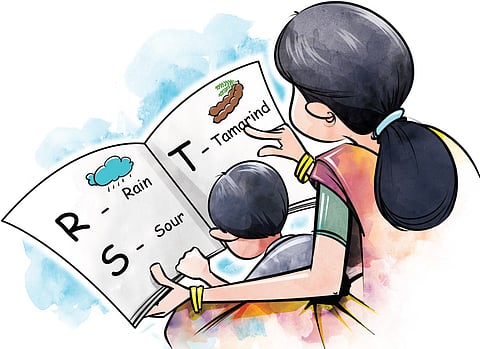

Tamarind may be your best friend when it rains. And while homecooked puliogare or rasam may not be as appealing as the pizza you have on speed dial, ayurveda experts tell us that a bit of ‘sour’ may well be the answer to your digestive problems this Varsha Ritu (rainy season).
According to Thamizh Vaitthiyar Phanimadhav, the reason for this is simple. He says, “When it rains, because of the dampness in the atmosphere, the digestive process is weakened.” In more traditional terms, this season calls for a pacifying of doshas (vata, pitta and kapha) — only when these are balanced can good health prevail in the body. “And by eating foods rich in puli (tamarind) or amla (gooseberry), the digestive process is strengthened,” he explains.
Oddly enough, quite a few food norms suggested by nutritionists get turned on their head at this time of year. Pankhuri Agarwal, author of Karmaa Kitchen, a layman’s guide to ayurvedic eating tells us that samosas and vadams (usually labelled junk food) actually are recommended, albeit in small quantities, when it rains. “One, they are hot and that helps in a chill climate, and two, these are dry options, and dryness counters dampness,” she explains.
Another big nutrition source that we are told to consume less of is milk, believe it or not. “It’s heavy on the stomach and during Varsha Ritu, we encourage foods that are light,” states Dr Madhusudanan C, an ayurveda practitioner for over 30 years now.
Simple shifts in your diet can make all the difference. “Opt for buttermilk over curd, for instance,” he recommends. “Also, given that you will be consuming less fluid in this season, introduce some lubrication in your daily intake with a dash of ghee for smooth bowel movement.”
How to Prevent Indigestion
Why Tamarind is Good for Health