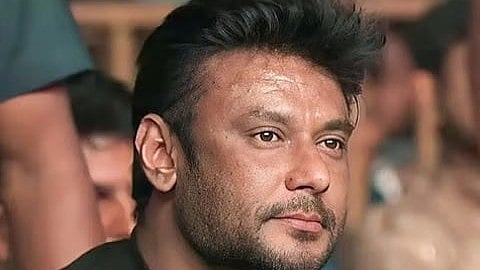

BENGALURU: Accused number 14 Pradosh S Rao turning approver in the Renukaswamy murder case could prove crucial for the prosecution in the trial against Kannada actor Darshan and others. While the police have already gathered circumstantial evidence, the approver’s statement could help corroborate that evidence and establish the sequence of events.
A public prosecutor, on condition of anonymity, said an approver is a co-accused in a crime who turns witness for the prosecution and agrees to make a full and truthful disclosure about the offence and the involvement of other accused in return for pardon.
Under Section 343 of the Bharatiya Nagarik Suraksha Sanhita (BNSS), a competent court can tender pardon to an accomplice in serious offences, subject to certain conditions. However, if the approver fails to support the prosecution through proper testimony and evidence, the prosecution can seek action against him. A perjury case may also be filed, and the approver can be tried separately for giving false evidence.
Senior advocate Shyamsundar MS explained that for instance, if there are 10 accused in a crime and one of them has a relatively lesser role, such as driving the car and being present at the crime scene, that person may become an approver. His or her statement can then serve as corroborative evidence.
The police may have collected circumstantial evidence, but if there is lack of direct evidence, the approver’s statement, along with other supporting evidence, can strengthen the prosecution’s case. He said that a person who wants to become an approver has to submit an application. After analysing the statement, if the prosecution believes it will help the case, it can plead before the court to grant pardon to the accused.
Once the pardon is granted, the accused becomes a witness and is subject to cross-examination. The pardon is granted because the accused agrees to assist the state in bringing the case to its logical conclusion. The legal philosophy behind granting pardon is that no guilty person should escape merely because of lack of evidence. “At the cost of sparing one, you nail the others,” he said.
Former superintendent of police SK Umesh said accused generally turn approver to avoid conviction or reduce their liability, particularly when their role and level of guilt are comparatively lesser. The investigating officer also assesses the gravity of the offence and the role of the accused before considering the possibility of making him an approver.
If the police, however, have already collected circumstantial evidence, the approver’s testimony could help corroborate the prosecution’s case and strengthen evidence, helping the case progress towards conviction.
