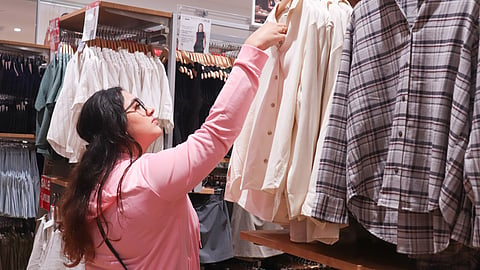

Quick to spot a trend but equally likely to repeat an outfit, Bengaluru’s fashion consumers have carved out a style identity of its own. The City Style Quotient (CSQ) 2026 study by A Diamond Is Forever India by De Beers has named the city India’s Trend Uptake Leader and Conscious Style Capital, while ranking it third overall after Mumbai and Delhi. While the ranking highlights the IT and startup capital’s never-ending appetite for trends, designers, stylists and retailers reveal a fashion ecosystem that’s highly driven by comfort, individuality, homegrown labels, leaning towards thoughtful shopping habits.
According to stylist Tania Gupta, Bengaluru’s relationship with fashion has always been different. “People here are quick to embrace new trends but they don’t follow them blindly,” says Gupta. She finds the city genuinely appreciating Indian textiles, homegrown designs and open to new ways of wearing existing clothes, whether through repurposing heirloom sarees, exploring thrift or investing in pieces that last longer.

This is probably one of the reasons why the idea of a typical Bengaluru wardrobe is difficult to define. With people from across the country making the city their long-term home, fashion has become increasingly diverse. From handwoven cotton sarees paired with sneakers to relaxed tailoring and handcrafted accessories, individuality takes precedence over dressing to a formula. Apoorva S Kumar, founder, Armadia and founder-designer of Mirroir, says Bengaluru consumers are careful about what they buy. “People are aware of what’s happening globally, but they like fashion that feels personal and invest in pieces they’ll wear for years,” she says, adding that clients are increasingly asking how one garment can be styled in multiple ways instead of buying it for a single occasion, signalling a move towards wardrobes that are built around versatility.
What are clients asking for most in 2026 that they weren’t asking for two or three years ago? “They want versatile pieces that can be worn across multiple occasions, inclusive sizing, premium fabrics and styles that offer comfort and fashion. They are more interested in curated collections and personalised shopping experiences. Consumers are more confident in expressing their personal style, and they are moving away from fast, impulse purchases,” says Mamta Roy, founder and director of fashion brand Odette.
While Bengaluru’s reputation as a conscious-fashion city is only growing, fashion insiders believe this change is still ‘work in progress’. Gupta, also assistant professor (fashion styling) at Pearl Academy, says conscious consumers and convenience-driven shoppers continue to coexist, with fast fashion remaining easily accessible. However, she has noticed more people pausing before they buy, asking whether a garment fits their lifestyle, will be worn often and is worth the investment.
Stylist Srishti Arora, who recently styled actor Sharmiela Mandre for her engagement, says the biggest shift over the past few years is that fashion has become increasingly personal. “A few years ago, people were more focused on dressing for trends and occasions. Today, they’re building wardrobes that emanate one’s identity,” she says. She has also seen greater interest in capsule wardrobes, emerging Indian designers and clothing that works both online and offline.
Social media continues to influence fashion discovery, but stylists say consumers are becoming selective about what they adopt. “Clients often come in with saved posts or Pinterest boards, but they don’t want to copy a look,” says Kumar. Instead, they look for ways to adapt inspiration to suit their own style. Arora agrees, adding that her role is to help clients translate online inspiration into outfits that match their personality.
The city’s support for homegrown labels is another factor that sets its apart. Gupta says many local designers work with Indian textiles, natural fabrics and thoughtful craftsmanship, all of which resonate with namma ooru’s climate and way of life, while Roy believes consumers here value creativity and originality, making them more willing to explore independent Indian brands instead of relying solely on international labels. Taken together, these point to a city where fashion more about building wardrobes that are comfortable, versatile and yet personal, turning Bengaluru into a brand icon of style and slay.