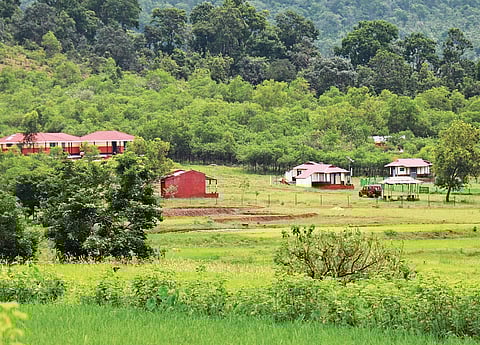

BHUBANESWAR: The eco-tourism programmes implemented by the State Government has proved to be rewarding as the revenue generated from nature camps is expected to touch Rs 6 crore by the end of current fiscal. The wildlife wing of Forest and Environment department till January collected Rs 5.9 crore against Rs 5.7 crore in 2018-19. With tourist inflow to the eco-tourism destinations expected to continue for next two months, the revenue collection from these camps is also expected to grow further, the department officials said.
“It is encouraging to see the overwhelming popularity of our eco-tourism sites. Eco-tourism committee members, staff and forest officers will continue to work hard to make the experience of tourists visiting these spots even better in the coming days,” said Principal Chief Conservator of Forest (Wildlife) HS Upadhyay. Deputy Conservator of Forest (Eco-tourism) Anshu Pragyan Das said till January, revenue generation of five nature camps in Similipal has crossed Rs 1 crore.
With around 4,200 visitors making night stay in these nature camps, the revenue collection of Similipal nature camps touched Rs 1.3 crore by the end of January. The camps had recorded inflow of 5,000 tourists and the combined revenue was Rs 1.7 crore in 2018-19. Das said Similipal has majestic waterfalls like Barehipani, Joranda and Uski, and is home to a variety of animals such as elephants, spotted deer, sambar, bison, wild boar. It is also the only natural home to melanistic tigers. It is a favoured destination for wildlife and nature lovers, she said.
Apart from Similipal, Badmul in Satkosia Tiger Reserve, nature camp in Bhitarkanika National Park, nature camp in Debrigarh Sanctuary and Daringbadi in Phulbani have performed well as eco-tourism destinations this year.
Badmul nature camp has already collected Rs 96 lakh in the current fiscal while Daringbadi posted a revenue collection of Rs 53 lakh against the total collection of Rs 32 lakh last year.
The revenue generation in Debrigarh and Bhitarkanika reached Rs 57 lakh and Rs 68 lakh respectively, Das said.
She said hundreds of villagers are directly employed in these camps for their livelihood and many villages surrounding theses eco-tourism destinations are indirectly dependent on it.