
AC rooms – single/double bed with food…private cottages, bath attached…world-class accommodation…serene environs, independent cottages, health clubs, meditation centre… If you thought these adverts are hard sell for deluxe hotel rooms or honeymoon packages, think again.
For the fortunate among the senior citizens in the city – tired of neglect, abuse and ill-treatment in the hands of their children – they are alternative homes holding the promise of a dignified quality of life. The less fortunate among them, too, end up in homes – for the destitute – raising questions about how the elderly in the metropolis are increasingly being forced to spend the twilight years of their life not with their loved ones, but in the company of strangers.
“It’s like securing school admission for tiny tots. Nowadays, on nearing 60, many people book for admission in homes for senior citizens and brag about it,” says S V Nageswaran, who runs Meenakshi Residency for Senior Citizens in West Mambalam. “The trend of dumping elders in homes that started in a particular community is now fast catching up with other sections of society too,” he rues. Four years ago, the 66-year-old industrialist converted his ancestral property into a home for seniors in memory of his mother and now runs it with the help of his daughter S N Lalitha (34), a B Tech graduate.
The home has 16 inmates – the youngest is 50 and the oldest 97. The individual rooms, equipped with a TV set, cot, wardrobe, attached bath and individual meters, however, do not come cheap. They carry a price tag of a refundable deposit of Rs 4 lakh and Rs 11,000 a month for food and accommodation.
But are not all such homes for senior citizens, springing up in different areas like Panayur, Palavakkam, Porur, Adambakkam, Thyagaraya Nagar, West Mambalam and East Tambaram, while offering a host of services, only poor substitutes to living with the family? “Today, ‘family’ has come to mean only husband, wife and children and not parents,” says Vidyakar, who runs ‘Udhavum Karangal,’ a charitable organisation for destitute children, women and the elderly. On information from police and public, he regularly picks up the sick and dying aged from the streets and there are now 186 of them – the oldest 90 – at his home.
Legislations such as the Maintenance of Welfare of Parents and Senior Citizens Act appear to have made little difference to their plight. Vidyakar pins the blames on the breakdown of the joint family system. Lack of space in smaller apartments, inter-personal problems, property issues, sickness, changing lifestyle and shifting priorities have turned elders into a burden for their families. “They are almost like orphans and subjected to abuse, neglect and ill-treatment,” he point out.
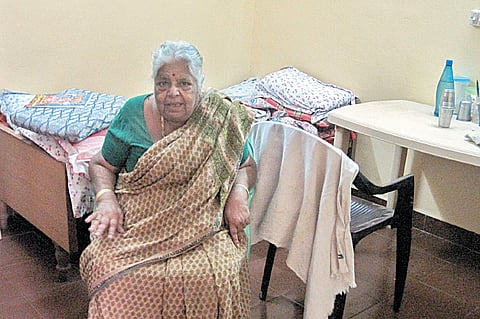
Pointing to the case of 83-year-old Sundari (name changed), Lalitha of Meenakshi Residency says the octogenarian was brought to the home about three years ago. The old woman had five children living in the city, none of them willing to accommodate her. “One of them said she was a hindrance to their grandson, who was preparing for the GRE exam.”
Initially, Sundari was depressed. “I got married at the age of 13,” she told City Express. “All my life, I have lived with my family. Now, they treat me as extra baggage,” she rued. Her children and grandchildren visit her, but take her home only during special occasions. Some came voluntarily, like music teacher Godavari (76) and her husband Narayana Rao. The couple had no children. After her husband’s death, Godavari preferred to stay at the home, where she still teaches music.
“My relatives are interested only in my 10 sovereigns of jewellery,” she says. Another rich old man, owning houses worth `5 crore in Postal Colony, also made a conscious decision to stay at the home despite having a son in the US and a daughter, Lalitha says.
“I want my freedom, timely meals and I do not want to be a disturbance,” she quoted him as saying. Nageswaran sees the mushrooming of senior citizens homes, many with state-of-the art-facilities, as a sign of growing wealth, but decreasing familial affection.
