
CHENNAI: Ibrahim Jacob, a retired additional member,Railway Board and former Chief Operations Manager, Southern Railway is surprised by the derailment of an EMU coach. He said the MRTS line was not as over-saturated as other suburban routes.
“The tracks have a capacity for 200 services but only about 60 are run now. Moreover, the tracks are new, fresh and of a higher quality. It is strange,” he said.
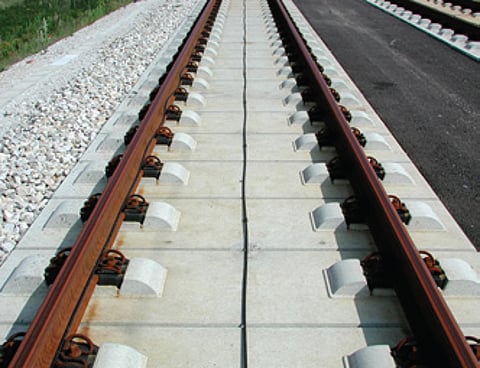
Some sections of the MRTS route have the superior ballast-less tracks, which cost 10 times the normal ‘sleeper bed’ track and have lower wear and tear as compared to normal tracks, and could prevent derailments, Jacob added.
Southern Railway officials said the official enquiry would analyse if the accident happened due to track failure, coach failure or over speeding.
Jacob said the approach speed of a train to a station on a curvature, like the one near Park station, would be 30 kmph. “If the first coach of the rake had derailed, it would likely be a track defect. But if a middle coach derailed,(as in the incident today, it could be a problem with the coach,” Jacob said.
He said there were no separate coaches for the MRTS route and coaches were run on all suburban sections and hence there could be a higher degree of wear and tear.
Sources in the Research, Design and Standards Organisation (RDSO), the research wing of Indian Railways, said that laying ballast-less tracks could lead to less expense on maintenance and prevent derailments to a large extent.
More than Rs 1,000 crore was spent on track maintenance every year by Southern Railway, said sources, adding that this could be reduced by laying ballast-less hi-tech tracks.
How they work?
Tracks laid on concrete beds
Reduced wear and tear, easy maintainability
Can prevent derailments
10 times more expensive than normal track
Passengers will feel less vibrations while travelling
