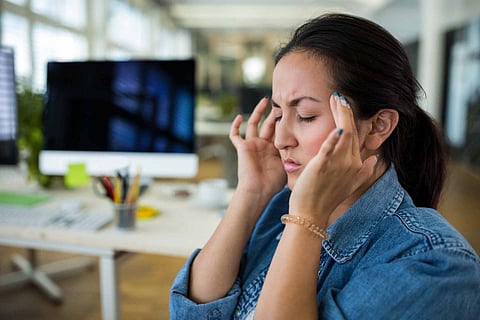

Headaches are often considered as a temporary trouble that one may cope with and forget about. When they become chronic and start to affect patient’s daily activities, one should pay attention because the problem may hide something much deeper than being a result of stressful days.
Daily habits play an important role in neurological practice as many patients do not realise that they might contribute to the development of headaches. Some of these habits can also increase the probability of having either tension headaches or migraines.
Firstly, it is important to have good sleeping habits. It goes without saying that the brain needs stable circadian rhythms, regular sleep-wake cycle, adequate duration, and quality of sleep. People who go to bed and get up at different times, stay awake late at night, do not sleep well at night, or spend too much time in bed are at risk of developing headaches. Low-quality sleep increases brain’s sensitivity to pain.
Another important thing to keep in mind is device exposure. Prolonged device exposure and using devices before sleep contributes to disturbed sleep cycle and can in turn trigger an acute episode of migraine, leading to chronic long-standing headache and mood disturbances.
It is also useful to pay attention to your hydration because even minor dehydration affects the proper functioning of the brain. Those who spend a lot of time outdoors, working under the influence of air conditioners, training regularly, or consuming much caffeine may suffer from dehydration because they do not replenish lost liquids adequately.
Skipping meals, not eating breakfast, or going hungry for some time leads to lowering of blood sugar levels and provokes headaches in certain cases. There are also specific foods and beverages that may be a trigger, but each person has their own list. Eating regularly helps a lot in avoiding headaches.

One of the most widespread triggers of headaches is mental and emotional stress. It leads to the development of muscle tension, can affect sleep negatively, and provoke biochemical changes in brain chemicals that are involved in pain regulation. Not only stress but also its consequences can provoke headaches; namely relaxation following the period of stress.
The modern lifestyle also includes one of the factors affecting our health: using screens for many hours in the office or while studying. This factor leads to eye strain and improper posture — resulting in neck and shoulder tension — thus triggering headaches.
A simple 20-20-20 rule helps in preventing muscle strain related to prolonged screen exposure:
1. Do not look into a screen continuously for more than 20 seconds
2. Look at an object that is at least 20 feet away to help relax the muscles
3. Hold this position for at least 20 seconds
Another factor that contributes to headaches indirectly is the lack of physical activity.
Sedentary lifestyle increases stress levels, muscle tension, and worsens the quality of sleep. Being physically active is essential for proper functioning of the brain in many ways.
An increasing importance is now being placed on “work life balance”. Efficiently managing between work and personal commitments is crucial to good mental health which in turn translates into physical well-being. Disturbed work-life balance leads to stress and mental health related issues which lead to a myriad of psycho-somatic disturbances, including but not limited to headaches, abdominal complaints, constipation, irregular cycles, weight gain, and sleep disorders.
Some of the daily habits provoking headaches may include the following:
1. Occurrence of headaches after nights when one had poor sleep
2. Appearance of headaches if one misses a meal
3. Development of headaches after spending hours in front of the computer or any screen
4. More frequent headaches because of being under stress
5. Development of headaches following a time period of insufficient fluid intake
6. Headache occurrence during hectic days
7. Improvement of symptoms during weekends and holidays
Identifying the above patterns will provide some valuable hints concerning triggers causing headaches. After identifying the patterns, slight changes in the routine will lead to noticeable results. Using a headache diary will also assist in identifying the stressors that contribute to headache.
However, it is important not to assume that all headaches are lifestyle related. Headaches that are severe, increasing in frequency, associated with vision changes, weakness, speech difficulties, or other neurological symptoms require prompt medical attention.
Headaches are often multifactorial, with lifestyle habits forming just one part of the picture. While medications may sometimes be necessary, addressing everyday triggers is equally important. Simple measures such as maintaining regular sleep patterns, staying hydrated, eating on time, managing stress, and limiting prolonged screen exposure can go a long way in reducing headache frequency. For many individuals, lasting relief begins with recognising and modifying the habits that may be contributing to the problem.
(The writer, Dr Shrivarthan R, is a consultant Neurologist, MGM Healthcare, Chennai)