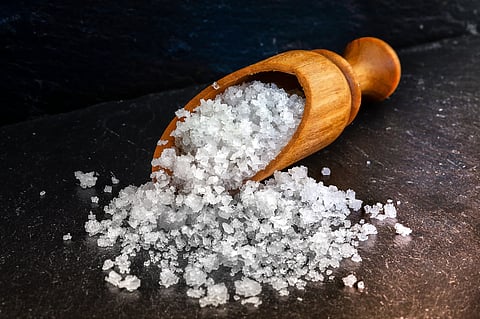

We often hear about salt in the context of heart health or ‘water weight’, but there is a quieter, more persistent danger lurking with regard to our kidneys. While sodium is a vital electrolyte, the modern diet has pushed our intake far beyond what our bodies were designed to handle. For our kidneys — the body’s sophisticated filtration system — this excess isn’t just a nuisance; it’s a slow-motion disaster.
To understand the danger, we have to look at how the kidneys function. Their primary job is to balance the fluids in our blood. When you consume too much salt, the sodium pulls water into your bloodstream. This increases the total volume of blood circulating through your vessels, which in turn raises your blood pressure.
The kidneys are packed with millions of tiny, delicate blood vessels called nephrons. When blood pressure remains high due to chronic salt intake, these vessels become scarred and weakened. Over time, the kidneys lose their ability to filter waste effectively. This creates a dangerous cycle: damaged kidneys excrete less sodium, which further raises blood pressure and causes more damage.
Because this process is painless, many people don’t realise their renal health is declining until it reaches a critical stage.
Hidden dangers in the pantry
The majority of our daily sodium comes from processed and ‘convenience’ foods. Bread, pickles, packaged foods and papads are often packed with sodium used as a preservative or flavour enhancer.
Simple lifestyle shifts
Protecting your kidneys doesn’t require a bland or joyless diet. It simply requires a more intentional approach to how we season and shop. Here are expert-backed tips to lower your intake:

The role of low sodium salt substitutes: WHO has recently released a guideline on the use of Lower-Sodium Salt Substitute and suggests replacing regular table salt with lower-sodium salt substitutes that contain potassium in place of sodium.
The ‘rinse’ method: If you rely on canned foods, always rinse them thoroughly under cold water. This simple habit can wash away up to 40% of the added sodium.
Deciphering labels: Don’t be fooled by “Reduced sodium” claims, which may still be high. Look for “Low sodium” (140mg or less per serving) or “No Salt Added.”
The 2,300 mg sodium per day target: Health experts generally recommend capping sodium at 2,300 mg per day — roughly one level teaspoon (5 gram) of salt.
A proactive approach
Kidney damage is often irreversible, but it is highly preventable. By making small, incremental changes to your grocery list and cooking habits, you are preserving the filters that keep your entire body running smoothly.
— Dr Navinath M, senior consultant nephrologist and renal transplant physician, Asian Institute of Nephrology and Urology, Chennai.