
Menopause is the phase after 12 consecutive months without menstruation, typically occurring between the ages of 46 and 51 years in India. It is a significant milestone in a woman’s life.
While the most intense symptoms, such as hot flashes and night sweats, often begin to fade during this stage, the decline in estrogen introduces new, long-term health considerations. The sharp drop leads to accelerated bone loss, with women losing a significant percentage of their bone density in the years following menopause, increasing the risk of osteoporosis. Estrogen naturally helps to keep blood vessels flexible. After its decline, women face a higher risk of heart disease, stroke, high blood pressure, and overall cardiovascular disorders.
The brain is also highly sensitive to estrogen, which influences mood, memory, and cognitive sharpness. Estrogen interacts with brain chemicals like serotonin, which is why a drop in its levels can lead to brain fog, anxiety, and irritability often experienced during menopause.
Estrogen also stimulates the production of collagen and natural oils that keep the skin thick, hydrated, and elastic. It helps maintain vaginal and urinary tissues in a supple and lubricated state. A lack of estrogen causes these tissues to thin, leading to dryness and a higher risk of Urinary Tract Infections (UTIs).
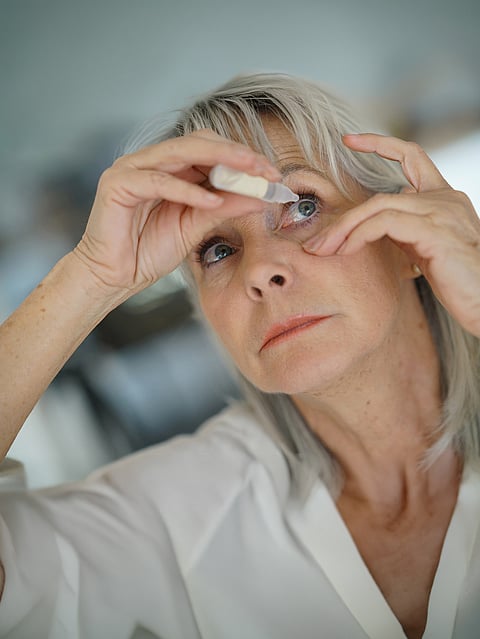
While these are commonly known postmenopausal symptoms, one of the least attended symptoms is dry eye. This often begins during perimenopause, affecting approximately 61% of women during the transition phase. Unlike the more stable hormone decline in postmenopause, perimenopause is marked by unpredictable hormonal fluctuations that can cause dry eye symptoms to appear intermittently. This condition is primarily driven by declining androgen levels (such as testosterone), which are responsible for stimulating the oil-producing meibomian glands.
In postmenopause, however, eye dryness is caused by falling levels of both estrogen and androgens. This reduces the secretion from the lacrimal glands and meibomian glands, thereby decreasing tear production and diminishing tear film quality, affecting up to 73% of menopausal women.
The common symptoms include a gritty or sandy sensation in the eyes, burning, redness, and blurring of vision. Some women may also experience excessive watering, as the eyes attempt to compensate for dryness.
There are several remedies that can help reduce dryness:
Warm compresses: Applying a warm, damp cloth over closed eyes for 5-10 minutes daily can help improve gland function.
Gentle eyelid hygiene: Washing the eyelids with a mild cleanser such as diluted baby shampoo can help loosen clogged oils in the meibomian glands, thereby improving the lipid layer that prevents tear evaporation.
Adequate hydration: Drinking at least 8-10 glasses of water daily is essential.
Omega-3 fatty acids: Intake through supplements such as fish oil or flaxseed oil, or through diet sources like salmon, walnuts, and chia seeds, can improve oil gland function and reduce ocular inflammation.
Vitamin supplementation: Ensuring adequate intake of Vitamin D3 and Vitamin A (through foods like carrots and papaya) supports overall eye health.
Lubricating eye drops: These can provide temporary relief from dryness.
It is advisable for women to undergo regular annual eye check-ups with an ophthalmologist during menopause. In cases of severe dryness during postmenopause, where other measures have not been effective, Hormone Replacement Therapy (HRT) may be considered as a potential option.
By Dr Nandini L, consultant - obstetrician & gynaecologist, BirthRight By Rainbow Hospitals, Anna Nagar, Chennai.
