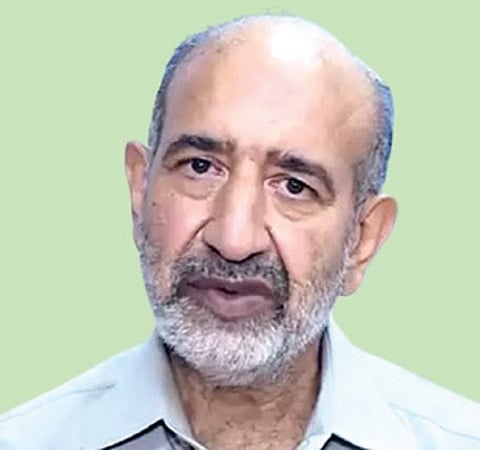

Of late, the cases of organ trafficking are dominating the sphere of crimes in the city. Last month, Delhi Police busted an international kidney racket by arresting a doctor at Apollo Hospital. A few days ago, another racket, led by an MBA graduate, was unearthed. Dr Girish Tyagi, Delhi Medical Council’s Registrar speaks TNIE over the menace and related issues. Excerpts.
Is a systematic change needed to curb organ trafficking?
The system is efficiently designed with the involvement of multiple agencies, including the Ministry of External Affairs, embassies (in case of foreign donation), and hospital ethical committees. However, it is not free of loopholes. We need to address the elementary issue of the huge gap between the demand and supply of organs. The underprivileged are exploited in the lure of monetary benefits. Documents are forged to show donors as relatives of the recipients. No rigorous background check is conducted. The nexus involves people from top to bottom. Another aspect to look at is streamlining cadaver donations by ensuring the organs are retrieved promptly and transparently donated to people in need.
Can amending the legislation help fix the issue more efficiently?
Yes. An Aadhar card is one of the documents presented by the donors to prove their identity and support their relationship with recipients. It is biometric-based and tough to impersonate or fake. But if a racket can crack this, we need more stringent regulations to ensure no forgery. It can happen only through stricter legislation passed by the government.
Moreover, doctors don’t verify the documents; the administration does. Authorities’ rigorous monitoring and surveillance are crucial to checking fake identities. In-depth verification of the donors’ past medical histories can be of huge help.
Can state medical councils play a role?
The DMC (Delhi Medical Council) should be strengthened by providing additional powers. The regulatory body that investigates aspects of negligence in medical treatment. In several cases, doctors and hospitals are also involved. We can only act if a doctor is found guilty. So, state medical councils should be strengthened to take punitive action on medical professionals accused in these cases based on enough evidence even if the cases remain under trial. We should also be given the power to cancel the registration of healthcare institutes where such practices are reported. The Karnataka Medical Council has the power to take action against the hospitals.
Won’t it be unjust to act against doctors without a court ruling?
Justice delayed is justice denied. These trials run for years. Unethical practices by the doctors involved are not curbed till judgment comes. Then they appeal in higher courts, which is a fundamental right of every accused. Being a body specialised in medical investigations, we can be given powers to take punitive action against accused doctors if the evidence against them is overwhelming and beyond any doubt. It will act as a deterrent. The courts can examine the violations of law, and medical bodies should be empowered to check for violations of ethics and protocol.
Can you suggest any other changes in the regulatory framework?
The government should categorise cases of organ trafficking under heinous crimes like rape as it is an act against humanity where the fundamental right of a person over the body is snatched forcibly or through influence. A separate court can be formed for time-bound and speedy judgment so that those running these rackets feel the fear of the law.