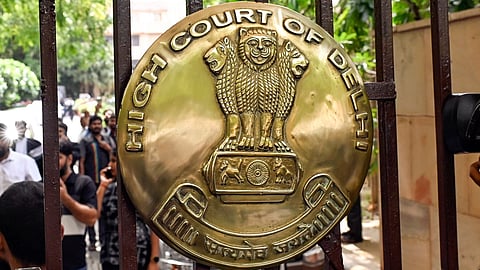

NEW DELHI: The Delhi High Court on Wednesday sought response from the government and cab hiring Apps like Uber, Ola, and Rapido on a plea to ensure the safety of women travelling in app-based taxi services.
“We want to make the private operators of the taxi apps accountable. That is the reason we are issuing notices,” a bench of Chief Justice Devendra Kumar Upadhyaya and Justice Tejas Karia said.
The bench directed central as well as the Delhi government, and the online Apps the parties, to file their replies by December 16, when the court will further hear the matter.
The bench was told by advocate Vikas Gupta, appearing for the petitioner Aditya Sehgal, that app-based companies operate more than two lakh cabs in the Delhi-NCR region but there is no checking of the drivers at night.
“There is no checking of these drivers after8 o'clock, or 9 o'clock, whether they are operating for the airport or for any strategic location, whether they are drunk or not,” the counsel said.
The PIL has sought a comprehensive overhaul of safety mechanisms for women using app-based cabs, bike-taxis and ride-hailing services.
“The plea seeks measures to ensure that the driver and vehicle undertaking a ride match the details displayed on the application. It demands that unauthorised substitutions should allow passengers to cancel rides without penalty and should be recorded as safety incidents,” it said.
It has also sought 24x7 command and control centres to respond to SOS alerts, with booking details, driver identity, vehicle registration number and real-time location being shared with emergency responders and police, subject to privacy safeguards.
The petition further sought automated alerts for material route deviations, periodic gender-sensitivity training for drivers and surveillance mechanisms at vulnerable locations.
“The petitioner has also sought a pool of verified female drivers, with women travelling alone being allowed to request or be preferentially allotted such drivers, subject to availability,” it added.
