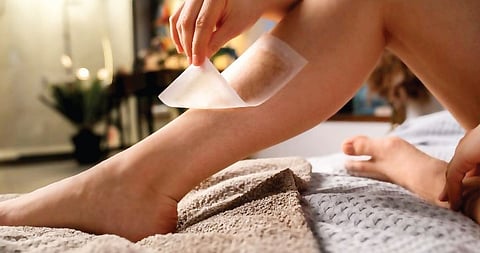

HYDERABAD: In recent years, the landscape of beauty and personal care has undergone a significant transformation with the rapid growth of the online hair removal market. Traditional beauty norms and practices are being reshaped as consumers increasingly turn to digital platforms to meet their hair removal needs. This shift is not just about convenience; it represents a fundamental change in how individuals perceive and approach personal grooming.
“Unfortunately, to get the silky skin that is free from hair, most people opt for temporary hair removal methods like powders, creams, and sprays. Though these methods offer simplicity, they come with a range of possible adverse reactions. While hair removal creams, sprays, and powders are easy, economical, and provide quick results, they often have side effects. Some frequent problems include skin irritation, contact dermatitis, and even second and third-degree chemical burns, especially for those with sensitive skin. Darkening of the skin is a common side effect, especially with long-term use,” says Dr N Karthini Baba.
As a result, local beauty salons and spas are facing new challenges in retaining clientele, as consumers increasingly opt for the convenience and cost-effectiveness offered by online alternatives. This shift not only impacts businesses but also reflects broader changes in consumer behaviour and preferences in the digital age. The proliferation of online hair removal products has significantly influenced the dynamics of the local beauty market, reshaping consumer behaviours and business strategies alike.
“We are at a loss after these new hair removal products entered the market. Online waxing products have become direct competitors to beauty salons. People prefer buying these kits online rather than coming to salons. Customers find online waxing products more convenient, so they do not have to make a trip to the beauty salons. We have also noted that the online purchase of these products has impacted our revenue. Though our regular customers still come for waxing, but it’s not enough,” explains a local beauty parlour owner.
Online platforms offer a plethora of options, from subscription services delivering razors or waxing kits directly to your doorstep to advanced laser hair removal devices that can be purchased and used at home. This accessibility has democratised the hair removal process, making once-exclusive treatments available to a wider audience.
“These products contain ingredients such as calcium thioglycolate or potassium thioglycolate that dissolve the hair shaft at the surface but are harmful to the skin. Reactions range from mild itching to dermatitis, increasing health concerns around their use. Although organic hair removal wax powders are marketed as natural alternatives to conventional depilatory products, appealing to consumers seeking gentler options, these formulations often feature ingredients like turmeric, Multani mitti, manjari leaf powder, aloe vera, and essential oils, promising effective hair removal with fewer synthetic chemicals. However, despite their organic claims, these products can still potentially cause side effects, especially on atopic skin types,” adds Dr N Karthini Baba.
The rise of online hair removal products has revolutionised personal grooming practices, offering convenience and accessibility like never before. However, alongside these benefits comes a crucial consideration: the impact of these products on our skin.
“These products can affect the skin. Hair removal creams and waxes can cause skin irritation, redness, and allergic reactions, especially in people with sensitive skin. Hair removal sprays and roll-ons can also cause dryness or chemical burns if not used as directed. It is important to follow instructions and perform patch tests to minimise these risks. These products are generally safe when used as directed,” says Dr Madhavi Pdudi.
While online waxing products provide convenience and cost savings for customers, beauty parlours can maintain their appeal by focusing on personalised service, quality products, and expertise that online platforms may lack. Adapting to changing consumer preferences and emphasising the unique advantages of professional salon services are key strategies for beauty parlours to remain competitive.
