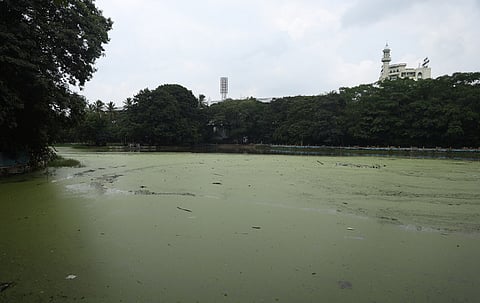

HYDERABAD: A major surveillance initiative is being launched to protect Hyderabad’s lakes. The Hyderabad Disaster Response and Asset Protection Agency (HYDRAA) has drawn up plans to install a network of solar-powered 4G tower IP CCTV cameras across water bodies within GHMC, TCUR and ORR limits.
The project, estimated at `7.31 crore, will see the installation of around 900 cameras and supporting infrastructure. By providing continuous, real-time monitoring, the system is expected to deter encroachments, prevent illegal dumping of waste and sewage, and safeguard lake Full Tank Level (FTL) boundaries.
Unlike conventional systems, the cameras will operate on solar power and transmit data through 4G connectivity. This allows deployment in remote or environmentally sensitive areas, while enabling video to be viewed live at a central monitoring station, via mobile applications and through cloud storage. Officials said this self-sufficiency eliminates the need for electrical wiring and makes the system flexible for varied terrain.
HYDRAA will engage an external agency to supply, install and commission the cameras, with integration into the city’s Integrated Command and Control Centre. Once the Letter of Acceptance (LoA) is issued, the selected bidder will be required to begin work within seven days and complete the supply and installation in four months. The contract will also include a two-year Annual Maintenance Contract (AMC).
During this period, the agency will be responsible for servicing the cameras, cleaning solar panels, and addressing technical issues. Minor complaints must be rectified within 24 hours, while replacements in the event of major faults are to be completed within two days.
Officials said the round-the-clock surveillance will provide a visible deterrent against unauthorised activity, while also allowing authorities to track ongoing violations. “The aim is to secure lakes as essential natural assets and protect them from further degradation,” a source said.
