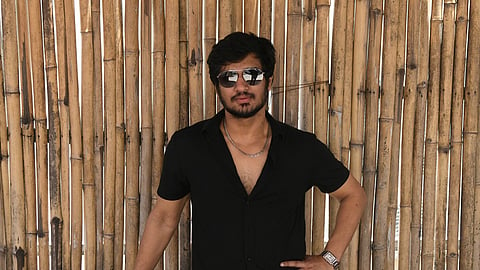

From Happy Days to the Karthikeya franchise, actor Nikhil Siddhartha has steadily carved a niche for himself with his choice of distinctive scripts and relatable performances. As he gears up for the release of his ambitious period action drama Swayambhu, he opens up about his journey, his physical transformation that the film demanded, inspirations and more.
Excerpts
How has your journey evolved?
It’s been a process of constant growth. I was just 19 years old when I did Happy Days. Looking back, I feel my journey has come full circle, and today I truly feel I belong where I am. I owe a lot to Sekhar Kammula sir for giving me that opportunity and shaping my career. Not everyone is fortunate enough to begin with a film that leaves such a lasting impact. Even today, when I stop at a tea stall, people ask me, “Nikhil anna, when are we going to see Happy Days 2?” It’s surprising because I’ve done many films since then, but that film continues to stay in people’s hearts.
Tell us about Swayambhu.
Swayambhu demanded a complete transformation from me, both physically and mentally. Even today, some of the physical changes I underwent for the role remain. It wasn’t just a fitness journey; it became a lifestyle change. I genuinely believe Swayambhu is the kind of film every actor should attempt at least once in their career. Whether it’s Nani, Vijay Deverakonda, Ram Charan or any young actor, these larger-than-life stories challenge you in unique ways. Ram Charan did something similar with Magadheera. For me, Swayambhu is a bold step, and we’re all hoping audiences embrace the film the way we envisioned it. More than the physical training, what surprised me was the scale of the project. Most of my films have been completed within 70 to 80 shooting days, but Swayambhu has taken nearly 175 days. The film kept growing in scale, and the budget exceeded initial expectations. But everyone involved is committed to delivering a memorable cinematic experience. We want audiences to enjoy the film, and we hope the faith and investment of the producers are rewarded.
How was the shooting experience?
It was extremely demanding. Since I’m portraying a character from a much earlier era, I had to shoot barefoot most of the time. We were filming during peak summer, and standing on scorching ground without footwear wasn’t easy. But throughout those difficult moments, the only thought in my mind was that audiences would eventually watch this film, and I had to give my best. That’s what kept me going.
How do you choose your scripts?
Growing up, I watched larger-than-life entertainers starring Chiranjeevi garu and Balakrishna garu. Going to those films was always an exciting experience. I often wondered why we couldn’t continue making such adventurous cinema. That’s why I’m drawn to unique concepts. Films involving mythology, fantasy, mystery or even time travel excite me. In fact, I’d love to do a proper time-travel film someday if the right script comes along.

What’s your character-choosing process?
Characters that leave an impact stay with audiences for years. Karthikeya is one such example. It was appreciated not just in Telugu but across the country. Even today, my mother calls me after watching my films and tells me which roles she enjoyed the most. That audience connection matters a lot to me. I want to continue choosing characters that entertain people while offering something memorable.
What inspired you to get into films?
The simple answer is Shah Rukh Khan. As a child, I was completely fascinated by him. Whether it was Deewana, Darr or Baazigar, I was captivated by his performances. I would even imitate his mannerisms and dialogues. In Telugu cinema, Pawan Kalyan’s Kushi had a huge influence on me. Those were the stars who inspired me to dream about acting.
What keeps you confident?
Confidence is essential for an actor because the responsibility ultimately rests on your shoulders. There have been times when people doubted films like Karthikeya, saying they wouldn’t work, but they went on to become successful. I’ve learned to trust my instincts. My gut feeling has guided me through many important decisions. Today’s audiences are evolving rapidly, and it’s important to keep them engaged and entertained. If people have started calling me the ‘Unique Star’, I’m grateful for that recognition.
What do you do when you’re not shooting?
Most of my free time is spent with my son, Dheera Siddhartha. Watching him grow is one of the greatest joys of my life. I’m also passionate about football and a huge Arsenal fan. Like most youngsters, I enjoyed partying in my younger days, but now I’ve chosen a more balanced lifestyle. I still celebrate special occasions, just in a healthier way.
What kind of roles would you like to explore in the future?
I recently did a voice-over project for He-Man, and it reminded me how exciting it is to explore different creative avenues. I don’t want to limit myself to romantic films or one particular genre. I want to take risks, experiment with unusual stories, and constantly surprise audiences.
Can we expect to see you do more comedy?
Absolutely. If a good comedy script comes my way, I’d love to do it.
Are there any directors you would like to work with?
Like every actor, I’d love to work with SS Rajamouli garu someday. Interestingly, after the Swayambhu posters were released, some people compared one of the visuals to Baahubali. Even being mentioned in the same conversation is a huge compliment for me. I’d also be delighted to collaborate with Sekhar Kammula garu again. Working with him has always been a special experience.
How do you define cinema?
Cinema is a powerful medium. It gives us the opportunity not only to entertain but also to communicate meaningful ideas. As actors and filmmakers, we have a responsibility to engage audiences while also leaving them with something to think about. It’s a unique privilege, and it’s one I never take for granted.