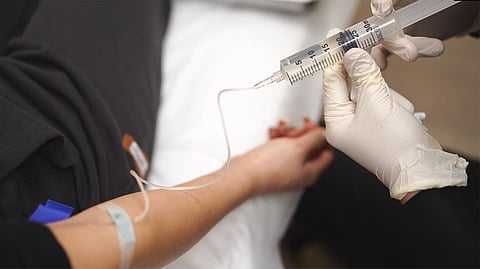

With festive celebrations going on in full swing, the pursuit of glowing skin and renewed energy is driving interest in intravenous (IV) vitamin drips. Marketed as quick fixes for dull skin, fatigue and dehydration, these infusions promise to deliver vitamins, minerals and antioxidants directly into the bloodstream. But do they live up to their claims, or are consumers paying a premium for benefits that remain largely unproven?
The appeal is easy to understand, particularly among younger people looking to achieve a refreshed appearance before festive celebrations. However, medical experts caution that faster nutrient delivery does not automatically translate into better health or visible cosmetic benefits.
“Unlike oral supplements, which are absorbed through the digestive system, intravenous administration bypasses the gut and provides immediate delivery into circulation. However, faster delivery does not necessarily mean better health benefits,” says Dr Venkat Nani Kumar B, senior consultant in internal medicine at Apollo Hospitals, Jubilee Hills.
For people without nutritional deficiencies, the evidence supporting IV vitamin drips for improving skin health, boosting energy or combating fatigue remains limited. While correcting a documented deficiency can help relieve associated symptoms, additional nutrients do not necessarily offer further benefits when the body’s requirements are already met.
Dr Naresh Gundapuneni, consultant general physician and diabetologist at Renova Hospitals, Kompally, Secunderabad, emphasises that IV therapy has a legitimate medical role, but its use as a cosmetic or wellness shortcut is a different matter.
“IV fluids are medically useful for selected cases of significant dehydration or when oral intake is inadequate, while vitamin infusions may be appropriate for specific deficiencies or medical conditions. However, tiredness and dull skin can result from inadequate sleep, anaemia, hormonal problems or other underlying illnesses. IV drips are not a proven universal solution for these concerns,” he explains.
With a single session costing up to Rs 15,000, consumers would do well to look beyond the promise of instant rejuvenation. Claims of detoxification, enhanced immunity and a radiant complexion deserve particular scrutiny, especially when clinics do not clearly explain the ingredients, concentrations and doses being administered.
So, how does one determine whether an infusion is actually necessary? According to Dr Venkat Nani Kumar, the decision should follow a medical evaluation that considers symptoms, dietary habits, medical history, medications and hydration status. Depending on the individual’s condition, investigations may include a complete blood count, blood glucose, kidney function, electrolyte levels, vitamin B12, iron studies or vitamin D levels.
“These tests should be guided by symptoms and clinical findings rather than routinely prescribing infusions for cosmetic or wellness purposes,” he advises.
Safety is another important consideration. IV drips can cause pain, bruising, infection, inflammation of the vein and allergic reactions. Excessive doses of certain vitamins and minerals may also affect kidney function and electrolyte balance. High-dose vitamin C, for instance, can be particularly risky for people with kidney problems or certain enzyme deficiencies.
Dr Naresh Gundapuneni cautions that unnecessary or repeated infusions can expose people to avoidable complications. “Anyone considering IV vitamin therapy should consult a qualified medical practitioner who can assess their health, review medications and determine whether the treatment is appropriate,” he says. He also stresses the importance of transparent disclosure of ingredients and doses, sterile equipment, proper infection-control practices and facilities to manage emergencies.
People with kidney or heart disease, pregnant women and those taking regular medication should seek medical advice before considering these treatments.
Ultimately, healthy skin and sustained energy depend on more than a single infusion. Balanced nutrition, adequate sleep, hydration, sun protection and consistent skincare remain sensible starting points. Persistent fatigue or changes in skin appearance should prompt medical evaluation rather than an immediate search for cosmetic solutions.
As Dr Venkat Nani Kumar points out, “For most healthy individuals, a balanced diet and oral supplements, when required, are sufficient to meet nutritional needs.”
The takeaway is simple: IV vitamin drips may have a place in appropriate medical care, but they are not a guaranteed route to glowing skin. Understanding what the body actually needs is a better investment than chasing the promise of an instant transformation.
