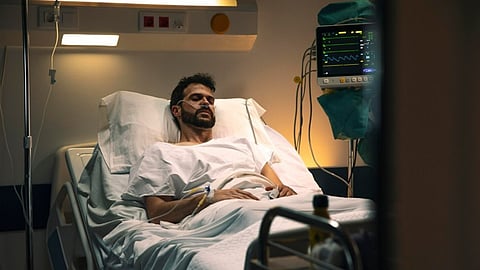

An infection that begins with a fever, chills or weakness may appear routine, but in some cases, the body’s response to that infection can spiral into a potentially life-threatening condition. Known as sepsis, it occurs when the body’s response to an infection becomes excessive and begins damaging its own tissues and organs. The condition can progress rapidly, sometimes within hours, making early recognition and timely treatment crucial. World Sepsis Day, observed every year on September 13, aims to raise awareness about the condition and the need for early detection and quality care.
The 2026 World Sepsis Day campaign, themed ‘Invest in Sepsis – Save Lives’, highlights early recognition, quality care, healthcare professionals, research and stronger health systems as key areas requiring investment.
“Sepsis occurs when the body’s response to an infection becomes excessive and starts damaging its own tissues and organs. The resulting inflammation can cause blood pressure to fall, blood flow to vital organs to reduce and organs such as the kidneys, lungs and heart to malfunction,” explains Dr K Subba Reddy, head of the department of critical care at Apollo Hospitals, Jubilee Hills.
The challenge, however, is that sepsis does not always begin dramatically. Its earliest signs can resemble those of an ordinary infection or even exhaustion, making it easy to overlook. “The first hour can be critical because sepsis does not always announce itself with dramatic symptoms. A patient may initially appear to have a routine infection, but the condition can worsen rapidly. The physician has to look beyond the infection itself and assess whether the patient is beginning to develop organ dysfunction,” adds Dr Subba.
According to Dr Spandana Kanaparthi, consultant internal medicine at Renova Hospitals, Sanath Nagar, some of the warning signs may be subtle but should not be dismissed when they occur alongside an infection. “Some of the earliest clues can come from the simplest observations. Faster breathing, a persistently high heart rate, falling blood pressure, an abnormal temperature (temperature above 100°F or below 96.8°F), reduced urine output or a sudden change in mental alertness should raise concern in a patient with an infection,” she says.
Other warning signs include chills, extreme weakness, dizziness and unusually low body temperature. A person may simply appear more unwell or drowsy than expected. She explains, “No single reading confirms sepsis; what matters is the overall picture and whether the patient is deteriorating. New confusion, increasing breathlessness, unusual drowsiness or signs of poor circulation should never be dismissed. These changes warrant prompt medical reassessment.”
For families, recognising this deterioration is particularly important. Difficulty breathing, persistent rapid breathing, confusion, extreme drowsiness, fainting, very low blood pressure, cold or clammy skin, severe weakness or significantly reduced urine output should prompt immediate medical attention.
Meanwhile, Dr Subba highlights, “We evaluate vital signs, mental alertness, urine output, hydration, organ function and the possible source of infection, even as investigations are underway. We may not have all the answers immediately, but we cannot afford to lose valuable time.”
Once sepsis begins affecting organs, the situation can change rapidly. Early medical intervention allows doctors to identify the source of infection, obtain appropriate samples, administer antibiotics when indicated and provide support for blood pressure, breathing and other affected organs.
“Every minute matters because sepsis can progress rapidly from infection to organ dysfunction and shock. Early medical assessment allows doctors to identify the source of infection, collect appropriate samples, administer antibiotics when indicated, provide intravenous fluids and support blood pressure and breathing,” explains Dr Subba.
Although sepsis can affect anyone, some groups are particularly vulnerable, including newborns, older adults, people with diabetes, cancer patients, those undergoing chemotherapy or taking immunosuppressive medicines, and individuals with weakened immunity.
Patients may experience fatigue, muscle weakness, breathlessness, sleep problems or reduced physical capacity. Some may also struggle with memory and concentration or experience anxiety, depression and distressing memories of their ICU stay.
“Families need to understand that recovery may take time. It may not be a straight path. Rehabilitation, adequate nutrition, gradual physical activity, follow-up care and emotional support can help survivors rebuild their strength and independence,” concludes Dr Spandana.
