
JAIPUR: The Jaipur Police have uncovered a major cyber fraud racket involving the fraudulent alteration of directors’ profiles from 400 companies across India on the Directorate General of Foreign Trade (DGFT) portal. The Jaipur Police Commissionerate claims that this DGFT-ICEGATE scrip scam, with links to Dubai, has resulted in losses amounting to crores of rupees. Five individuals have been arrested in connection with this organised cyber fraud, which is believed to have been operated from Dubai.
According to police revelations, the racket manipulated the profiles of directors from over 400 companies and caused losses running into crores. Five accused have been apprehended so far, all allegedly part of a network being run from Dubai.
The investigation revealed that the accused obtained Digital Signature Certificates (DSCs) using forged Aadhaar and PAN cards. These certificates, typically used to verify the digital identity of company directors or exporters, were then misused to gain unauthorised access to the secure ICEGATE portal. Once inside, the hackers breached exporters’ accounts, transferring Duty Credit Scrips into fraudulent accounts, which were later encashed. To obscure the money trail, funds were routed through multiple “mule accounts.”
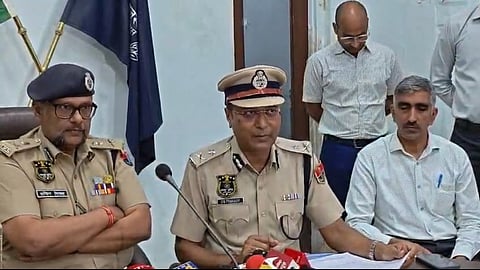
Special Police Commissioner Om Prakash stated that the case originated from a complaint by Saurabh Bafna, Director of Marudhar Quartz Surfaces Pvt. Ltd. Despite not logging into the system after 17 December 2025, five scrips worth ₹17.88 lakh were transferred from his IEC ID the very next day.
Investigations revealed a systematic modus operandi. The accused first generated fraudulent DSCs, then used them to log into the DGFT portal. They altered registered email IDs and mobile numbers linked to company profiles, modified directors’ details, and created new IDs on the ICEGATE portal. Using this access, they transferred export incentives such as RoDTEP and RoSCTL scrips into mule accounts, sold them, and routed the proceeds into various bank accounts.
These incentives are government-issued credits provided to exporters to offset taxes and duties. For instance, the Rebate of State and Central Taxes and Levies (RoSCTL) is primarily offered to textile exporters as compensation for various taxes.
The investigation further found that scrips worth ₹15.80 lakh had been siphoned off in a similar manner in April 2025. Police confirmed that the accused initially took control of company accounts by altering contact details before using forged digital signatures to execute fraudulent transactions.
The network spans multiple locations, including Jodhpur and Pali, with a total of 13 suspects identified so far. Those arrested include Sultan Khan, Nand Kishore, Ashok Kumar Bhandari, Pramod Khatri (all from Jodhpur), and Nirmal Soni from Pali.
Police Commissioner Sachin Mittal stated that evidence suggests the gang is being operated from Dubai. Analysis of data from digital signature authorities indicates that around 13–15 individuals are involved in the racket. More than 400 forged digital signatures have been identified. With an estimated fraud of ₹1 crore per account, the total scam could reach ₹400 crore, although investigations are ongoing.
Authorities also discovered that IP addresses from Rajasthan, Gujarat, Maharashtra, Delhi, and Dubai were used in the operation. Fraudulent DSCs were downloaded in Dubai, from where logins were made to the ICEGATE portal to transfer tradeable scrips. Agents in Delhi were involved in selling these scrips, while the proceeds were laundered through numerous mule bank accounts.
The accused systematically siphoned off scrips from the accounts of legitimate exporters, sold them in the market, and transferred the funds through layered transactions to evade detection.
