
KOCHI : Long back, Parkinson’s disease was often treated as a Western World problem with little or no relevance to countries like India. However, this perception is fast changing with modern medical science detecting an increasing incidence of this debilitating ailment in the country.
Latest estimates by healthcare experts show the prevalence of Parkinson’s in India has increased to 300-400 people per lakh population. Moreover, it is predicted that India would see a whopping 200-300 per cent increase in Parkinson’s disease over the next two to three decades. These numbers make a strong case for a heightened vigil against this ageing-related disorder and for spreading awareness about different medical procedures that are now available.
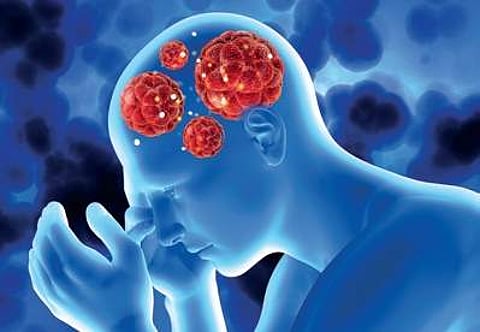
Parkinson’s disease is a degenerative disease of the brain. It persists throughout the life of the person. The symptoms and disability of the disease will worsen over time.
It occurs because of the destruction of nerve cells in an area of the brain called ‘substantia nigra’. These nerve cells produce an important chemical called dopamine. When the symptoms of Parkinson’s disease begin in a person, 70% to 80% of the dopamine-producing cells might have already got damaged.
The depletion of dopamine affects the activities of an area called basal ganglia in the brain, which is responsible for controlling the movements of the body.
Diagnosing Parkinson’s
Diagnosis of Parkinson’s disease requires a detailed examination by a neurologist. Sometimes the examination by a movement disorders specialist may be required to differentiate Parkinson’s disease from other neurological diseases.
In young patients, other investigations may also be required. As the disease increases, the treatment effect also starts diminishing. Hence, to improve the situation, surgical treatment may be required.
The surgical treatment is called ‘Deep Brain Stimulation’ or DBS. Under this procedure, two electrodes are inserted into the subthalamic nucleus situated deep in the brain through two small holes made on the scalp. This technique is called ‘stereotactic’ surgery. The tract of electrode insertion is decided by doing an MRI scan of the brain and integrating it with software.
After that, the electrodes are stimulated by current from a battery inserted inside the body of the patient. And the patient usually develops more than 50%-70% improvement in movement-related symptoms, says findings of a study titled A Randomized Trial of Deep-Brain Stimulation for Parkinson’s Disease published in The New England Journal of Medicine.
DBS results in the reduction of dyskinesia (involuntary, erratic movements of the face, arms, legs), thereby improving the quality of life of the patient. The results of surgeries performed on 24 patients with Parkinson’s disease at Lourdes Hospital also have shown similar outcomes.
Nevertheless, surgical treatment has limitations too. It is an expensive treatment and cannot cure the disease. It can only control or reduce the severity. It cannot be done in all patients too. The patients who will be benefited from the surgery can be selected only by a movement disorders specialist.
In a nutshell
Prevalence of Parkinson’s disease has increased to 300-400 people per lakh population in India
200- 300 per cent increase is projected in PD cases over the next two to three decades in India
Deep Brain Stimulation (DBS) surgery helps PD patients improve their quality of life in a big way
DBS is essentially a pacemaker for the brain
After the surgery, patients can achieve 50-70 per cent improvement in the movement-related symptoms
The writer is head of the neurology department and a movement disorders specialist at Lourdes Hospital in Kochi.
