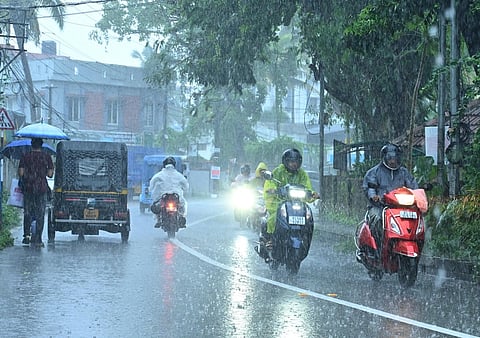

THIRUVANANTHAPURAM: The intensified monsoon and the opening of several relief camps with hundreds of people have heightened concerns over the spread of communicable diseases, particularly vector-borne infections, across the district.
According to health experts, people staying in relief camps and crowded places are at higher risk, and precautionary measures should be taken at the administrative and personal levels to contain the spread of diseases. The concerns come as the state continues to report a rising number of communicable disease cases each day.
Contaminated air, water, environment, and food can potentially pose a threat in such situations, according to Dr Rajeev Jayadevan, convenor of the IMA Research Cell, Kerala State.
“Air can be contaminated from pathogens causing communicable diseases, for instance influenza. Coughing enables the spread of viruses or bacteria. If drinking water is contaminated with sewage; organisms including hepatitis A virus, shigella, and certain types of e. coli can cause disease outbreaks, even cholera. With hundreds of people staying in a camp, many people
can quickly get ill in a short time,” he said, adding that infections can be also caused by physical contact. Stressing the significance of providing better facilities in the camps, Dr Purushothaman Kuzhikkathukandiyil, a public health expert, said that along with basic facilities and safety, proper waste management should also be ensured.
“Improper waste management in settings like relief camps can lead to the spread of vector-borne, airborne, and foodborne diseases in the future. There should be a system to rehabilitate pets and animals to prevent conditions like rabies,” he said.
Dr Rajeev added that people who might have been exposed to flood and muddy water are at risk of leptospirosis.
“When our feet come into contact with wet ground or water connected with wet ground, bacteria embedded in the top layer of the soil or in the water may enter through small cracks in the skin. Leptospira can then transfer to vital organs like the kidney, liver, lungs, and brain, causing organ failure. In fact, more than half of the deaths from communicable diseases in Kerala are from leptospirosis,” he said.
Dr Purushothaman added that people aged above 60, pregnant and lactating women, children below five, and people with chronic illnesses should be given proper care.
“These groups of people fall under a susceptible population. The change in the environment and other issues will affect these populations more, leading to other physical and mental health issues,” he said.
Health experts also warned of the possibility of patients with chronic conditions missing out on their regular medicines, and urged the officials to ensure proper healthcare access at the relief camps.
Safety measures
Wear a mask if necessary
Maintain safe social distance
Encourage hand washing to prevent infections
Ensure safe water and food
