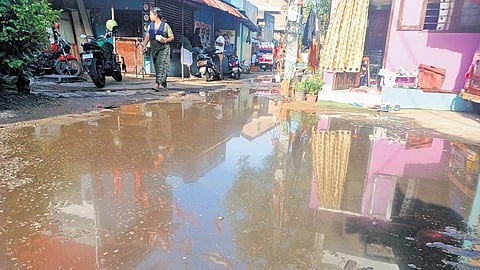

THIRUVANANTHAPURAM: Respiratory infections, hypertension and vector-borne diseases are most prevalent among the urban poor in environmentally degraded localities of Thiruvananthapuram, a study conducted by Gulati Institute of Finance and Taxation (GIFT) said.
The ‘Morbidity Patterns and Environmental Determinants among the Urban Poor in Thiruvananthapuram’ study, by Merlin Premala and Krishnakumari K, surveyed 716 households including 3,341 people in five urban colonies — Barton Hill, Chirakulam, Kanjirampara Harijan Colony, Rajajinagar and Karimadam. It found that 18.2% of residents suffered from respiratory infections, followed by hypertension (14.6%), vector-borne diseases (12.7%), gastrointestinal illnesses (10.4%), musculoskeletal disorders (9.8%), diabetes (8.3%), skin diseases (7.9%) and mental health conditions (3.1%).
Researchers found that environmental factors played a decisive role in determining health. Overcrowding affected 62% of households, while access to sanitation and waste management remained poor across these colonies. Piped water coverage ranged between 76% and 92%, but the proportion of households receiving water daily dropped to 65-88%.
Only 36-54% of households had toilets inside their homes, while 63-85% lived alongside open drains. Garbage collection by urban local bodies reached just 11-21% of households, resulting in waste accumulation in neighbourhoods.
Communicable diseases like respiratory infections, dengue, malaria and other vector-borne illnesses were closely linked to poor sanitation, stagnant water and waste accumulation, the study found. Disease patterns varied across age groups. Children recorded higher levels of respiratory and gastrointestinal infections, while adults displayed increasing rates of lifestyle-related illnesses such as hypertension and diabetes.
Among the elderly, chronic illnesses, disabilities and multiple co-existing diseases were more common. Women experienced higher rates of hypertension and musculoskeletal disorders, whereas men reported more heart disease and diabetes. Morbidity peaked during the monsoon months, when waterborne and vector-borne diseases increased sharply.
Statistical analysis shows that poor living conditions increased the likelihood of falling ill. People with a lower standard of living were nearly twice as likely to suffer from morbidity, while those living in poor physical environments also faced higher health risks. Limited community participation and poor health habits further contributed to adverse health outcomes.
The researchers highlighted worrying nutritional trends. About 32% of children were stunted and 28% were underweight, while 21% of adults were overweight or obese. Diets were largely dependent on carbohydrate-rich staples with inadequate fruit and vegetable intake. Meanwhile, 38% of households relied primarily on private or informal healthcare providers, citing distance, cost and concerns over the quality of public services. The study also found that 7% of children had missed recommended immunisation doses.
Investments in safe drinking water, sanitation, drainage, solid waste management, stronger community participation and improved access to public health services are essential to reduce the burden of disease in the city’s most vulnerable settlements, the report said.
Worrying stats
Respiratory infections: 18.2%
Hypertension: 14.6%
Gastrointestinal illnesses: 10.4%
Musculoskeletal disorders: 9.8%
Diabetes: 8.3%
Skin diseases: 7.9%
Mental health conditions: 3.1%
(Based on the study in 3,341 individuals from five urban colonies)
