
A rare sight will unfold at Jantar Mantar in Delhi on February 8. On that day, the entire Kerala cabinet, including Chief Minister Pinarayi Vijayan and all MLAs and MPs of the LDF are expected to stage a protest at the iconic venue against the “neglect” of the state by the Union government. How the Centre has been deliberately crippling Kerala’s economy was the main theme of the LDF government’s recent cabinet-on-wheels programme. The CPM has accused the BJP of being resentful towards Kerala’s welfare achievements. The state has even approached the Supreme Court alleging interference by the Centre in its power to borrow and regulate own finances. It claimed to have suffered an expenditure loss of over Rs 1 lakh crore since 2016 due to the Centre’s actions.
There is certainly merit in what the state government is saying. However, it would be inappropriate to say Kerala is being singled out for mistreatment. It is a victim, like all other states, due to the restructuring of tax devolution following the transition to the GST regime. The Centre’s distribution of a smaller share of tax collections than recommended by the Finance Commission has exacerbated the issue. Adding to the complexity is the imposition of constraints on states by restricting their market borrowings.
While the Centre needs to be more considerate, Kerala is playing the victim card to hide its own shortcomings in financial management. The primary factor constraining Kerala’s fiscal capacity is its expanding committed expenditure—salaries, pensions and interest payments. The 2021 salary revision, done with a clear political motive, is one of the factors contributing to the crisis. Salaries and pensions account for nearly half the revenue expenditure, yet the government has not shown the resolve to do away with redundant posts. While its own tax collection is suffering due to inefficiency, there have not been enough efforts to generate additional revenue and cut spending.
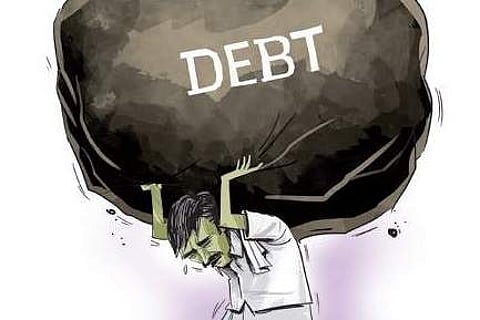
According to the RBI, Kerala is one of the 13 states grappling with revenue deficits. Its outstanding liabilities have soared from Rs 1,91,622 crore in 2017 to Rs 4,29,270 crore in 2024 (budgetary estimate) and the debt-to-GSDP ratio is at a worrying 39.1 percent. While pointing a finger at the Centre and fighting for its dues, the state must also fix its own finances. The Jantar Mantar show can at best help draw national attention, but it will not do enough to solve the problems back home.
