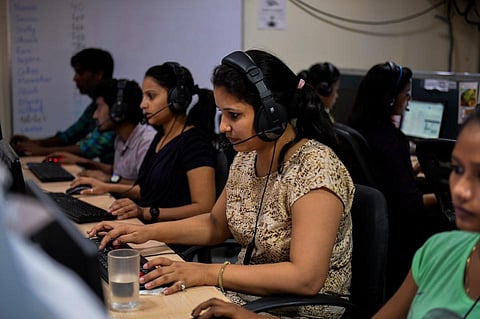

Across several Indian states, the eight-hour workday is being rewritten. In Maharashtra, Gujarat, and Odisha, the legal day now stretches from nine to 10, or 12 hours—so long as there is ‘consent’ and ‘overtime’ pay. The vocabulary of reform is familiar: productivity, competitiveness, investment. Yet behind it lies an old logic—the drive to extract ever more labour at minimal cost. Corporate titans push 70-to 90-hour weeks; states amend laws in the name of efficiency. But efficiency for whom? When a worker spends 10 hours on the shop floor and two more commuting, what remains of life? Can overtime compensate for missed childhoods, chronic fatigue, or eroded family ties?
Advocates of extended hours argue that longer shifts create opportunity. History—and current practice—suggest otherwise. Lengthening the workday often reduces employment: one worker is stretched rather than two hired. Consent is tenuous in a labour market where refusal risks dismissal, and overtime pay is frequently evaded. At heart, this is not a debate about hours but about power—about who controls time. For employers, productivity is measured in output per hour. For workers, it is measured in how much life remains after work. One side seeks maximum profit, the other preservation of self.
A country that safeguards dignity within the workday can claim progress beyond it. The real question is not whether India can work longer, but whether it can work better. Better means wages reflecting skill, productivity driven by training and technology, performance judged by innovation and quality—not endurance. A humane economy does not need to stretch the workday; it must make every hour meaningful, fairly rewarded, and leave time for life outside. Growth should not come at the cost of drained human lives, especially as automation and AI promise more output with fewer workers.
Extending work hours is one thing; shrinking employment is another. Odisha has a 3.1 percent unemployment rate, with 1.5 lakh government vacancies, only 29,000 of which were filled last year. Maharashtra has 71.7 lakh unemployed, but just 1.53 lakh government posts. Even in Gujarat, where unemployment is lower at 1.7 percent, the question remains: beyond stretching work hours, what concrete steps are being taken to create meaningful employment? Without addressing this, longer workdays risk exhausting workers and do not solve the deeper malaise of joblessness.