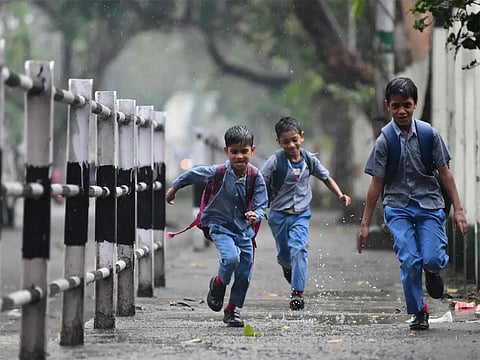

That only about a third of India’s schoolchildren have ‘adequate’ stamina is an alarming indicator for a country with the world’s largest youth population. The 14th annual health survey by Sportz Village, which covered 1.4 lakh children in 333 schools across the country, found that nearly two-thirds of them failed basic aerobic fitness standards. About two-fifths fell outside a healthy body mass index range. Public school students outdid their private school counterparts on stamina and flexibility. Increasingly sedentary lifestyles affected all, leading to weak muscle development. In all, the emerging picture presages a host of possible public health crises in the future.
Covid disruptions did affect children’s fitness around the world. But continuing to blame the increasing lack of fitness in school-going children mostly on the pandemic would be misleading. It would ignore the monolithic idea of education we have created—one that lacks a vision for their physical and all-round growth. Our competitive academic system leaves little space for physical activity or experiential learning. Physical education is mostly treated as an extra-curricular activity, sending a message that it is optional. Many schools do not have open areas or playgrounds for physical activity. Outside schools, there are hardly any safe spaces for children to play in most cities.
For parents, the primary aspiration for their children is academic brilliance, while playing sports is often seen as an afterthought in cities or merely another avenue for achievement—winning prizes, accolades and becoming champions. In contrast, children in villages often improvise games with whatever resources available and play for enjoyment. Introducing yoga in schools is a step forward, but it remains only a small beginning in addressing a much larger structural gap in children’s physical development.
Malnutrition is another concern contributing to declining health parameters and immunity in children. Given changing lifestyles, increase in working parents and decline of structured family routines, processed foods have increasingly taken over children’s diets, with serious consequences especially in urban areas. In rural regions, much still needs to be done on maternal and child health. Timely corrective measures in schools and at homes can help foster healthier young minds and bodies. We owe it to our children and the nation’s future to demand a more holistic education now.
