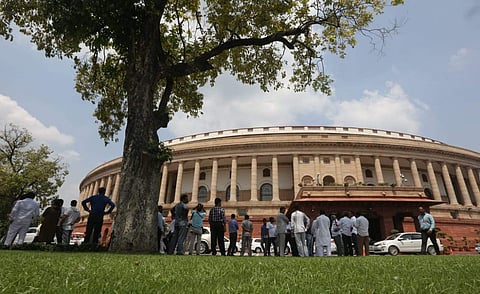

The Public Examinations (Prevention of Unfair Means) Amendment Bill, passed by Parliament on July 30, responds to a genuine crisis. The repeated leaks of recruitment and entrance exam papers have shaken public confidence. There can be little disagreement over the need for a law that deals firmly with organised cheating networks and those who profit from them.
However, the parliamentary debate remained narrower than the issue warranted. The Bill offered an opportunity that went well beyond prescribing stiffer punishment for paper leaks. It came at a time when the Prime Minister had constituted a task force for exam reforms headed by former UIDAI chief Nandan Nilekani. The debate could have helped identify which reforms ought to be hewn into the law. While such a task force can recommend administrative, technological and procedural changes, Parliament must decide which of them belong in the law. Members could have used the debate to indicate the measures—mandatory security protocols, breach-reporting obligations, institutional accountability and candidate protection—to be written into law, rather than leaving them for the Executive’s rules.
Members could have used the Bill as the peg to ask a few basic questions. Should the law prescribe how question papers are printed, stored and transported? Should it require independent security audits and minimum cybersecurity standards? Should exam authorities be legally bound to report breaches within a fixed time? And should candidates whose exam are cancelled because of administrative failures have statutory protection?
Instead, much of the debate degenerated into familiar political exchanges. The Treasury benches defended the government’s handling of the recent exam controversies, while the opposition focused on assigning political blame and revisiting issues such as the handling of the Jantar Mantar protests.
The debate also bypassed questions that surface every time entrance exam become contentious. With education on the Concurrent List, Parliament could have reflected on the opposition’s concerns over the growing centralisation of entrance exam, whether such a trend is consistent with education remaining on the Concurrent List, and whether the states should have a greater say in the exam framework.
The Bill gave Parliament a rare opportunity to influence the legal framework governing a national issue that affects lakhs of young Indians every year. Instead, the members spent more time looking back at the latest controversy than forward to the reforms needed to prevent the next one.
