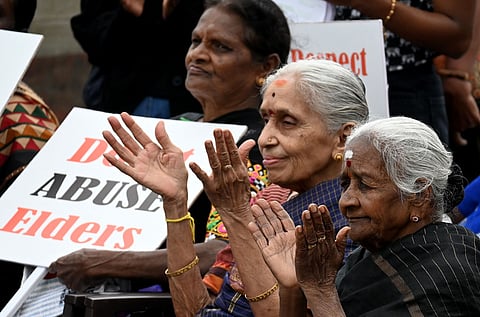

As India is greying at a faster clip, it is witnessing a worrying rise in the abuse of elders. A recent study across 10 states showed an almost two-thirds rise in the mistreatment of this vulnerable population in a year, with own families emerging as the biggest perpetrators. The data revealed the pains of growing old in a society that is uncaring of those it considers unfit and financially dependent. This harsh reality is also reflected in the sharp rise in distress calls to the elders’ helpline in India’s tech capital, Bengaluru—up from 735 in 2024-25 to 1,172 in 2025-26. Yet this is only a part of the picture as elder abuse mostly goes unreported, with stigma a strong deterrent.
The World Elder Abuse Awareness Day, observed this Monday, focused on finding systemic solutions. Among the steps India can rightly claim to have taken in that direction is enacting the Maintenance and Welfare of Parents and Senior Citizens (Amendment) Act, 2019, which updated the 2007 legislation to widen the set of those liable for care and raise the levels of prescribed punishment. Dedicated tribunals have been set up to address complaints under the law. Jurisprudence has evolved to widen the definition of abuse and the actions parents can take.
But these are systems for redress. Prevention, on the other hand, needs a whole-of-society approach. The Union health and family welfare ministry has recognised the breakdown of traditional family structures as a leading cause of elderly distress. Planning for financial and physical independence within nuclear families can go some way in addressing the fraying societal net. Free, high-quality healthcare would go even longer in restoring dignity. All other states can learn from Kerala, which offers a model of free insurance and mobile clinics, besides psychological and community support for elders. Governments also need to make it easier to access pension and normalise civic infrastructure aimed specifically at helping elders lead a dignified life. These can no longer be on a distant wish-list, as the reality is changing fast. By the time the independent nation hits its century, every one in five Indians will be aged 60 or above—up from one in every eight today. If not for the sake of humanity and decency, politicians should mind that it will be a formidable voting bloc, too.
