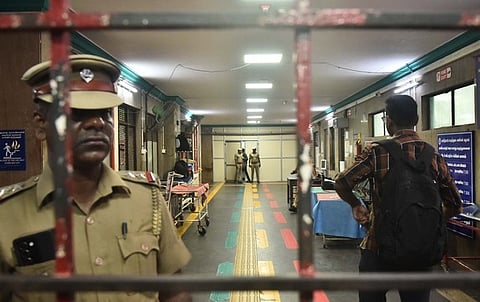

The ammonia leak at a seafood processing factory in Tiruvallur near Chennai has so far claimed 16 lives; another 26 workers are in recovery, while 47 have been discharged after treatment. Apart from the lapses that led to the deadly leak, the tragedy shines a harsh light on the plight of vulnerable communities seeking potentially hazardous work far from home. Thirteen of the deceased were from Odisha, most of them belonging to a particularly vulnerable tribal group in Keonjhar district. Most of the victims were either teenagers or in their early 20s. All of them had boarded a train to travel south in search of work—but were met with poor working conditions, measly wages and an absence of social security. Those released have now been put on a train back home.
The Odisha government’s labour department must investigate how these youngsters from a small cluster of villages ended up in a single factory, especially because this is not the first such case. Waves of distress migration have brought back accounts of exploitation and torture. The latest incident also blows the lid off a trafficking racket and identity theft. In one instance, a victim’s Aadhaar details were found to be that of another person working in a separate state. The crux of the issue is the chronic livelihood crisis in the tribal heartland of Odisha that is triggering such a desperate flow outwards.
The tragedy in Tiruvallur must not be treated only as an industrial accident addressed with an inquiry and compensations. It is a grim reminder that for vulnerable tribal communities in Odisha, migration has emerged as a compulsion born of poverty, unemployment and absence of opportunities closer home. The fact that entire batches of youngsters from the same villages are being shipped off to distant factories by unlicensed labour contractors should ring alarm bells for both the state and the Centre. Odisha needs a robust oversight mechanism to track migrant workers and regulate labour contractors while
ensuring social security and legal protection at destination points. More importantly, it must address the development deficit in its own tribal hinterland. Unless livelihoods are created where people live, the state’s aspiring youth will continue to leave in search of opportunities elsewhere—and more of them may return in coffins.
