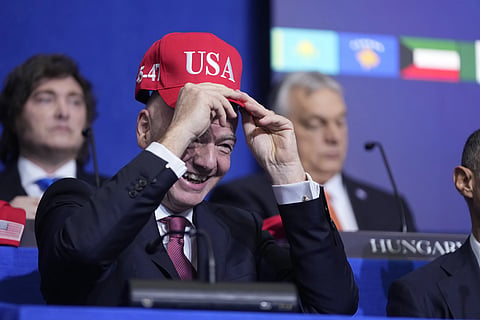

Right now, sports and geopolitics seem inseparable the world over. Not long ago, Bangladesh pulled out of the T20 World Cup over security concerns in India. Now, Iran’s participation at the football World Cup is under a cloud. The raging West Asia conflict is singeing sports, with a number of events cancelled, postponed or relocated. A head of state rarely speaks about the safety concerns of visiting athletes. Yet, a day after Iran’s sports minister said that their national team cannot travel amid war to participate in the FIFA World Cup to be held in the US, Canada and Mexico this June-July, the US President went a step further and stated they should not “come for their own life and safety”. It was baffling especially as it came a day after FIFA chief Gianni Infantino’s assurance that there would be no security concern for Iranian players. Ironically, the same global governing body had banned Russia after the country attacked Ukraine in 2022, arguing that matches involving Russia would pose security risks. It is indeed FIFA’s duty to ensure a safe environment for all teams, at all times. But despite similar concerns raised around the world regarding Israel, it has not yet acted.
The International Olympic Committee’s silence is even more perplexing. On several occasions the IOC has reacted sternly towards countries for refusing to host foreign players because of geopolitical differences. Russia and Belarus are still banned by the IOC. Even India was not spared. In 2019, immediately after the attack in Pulwama, the Indian government refused to grant visas to Pakistan shooters for an international event. The IOC stripped the status of that pistol event as an Olympic qualifier.
The effect of war is felt beyond playing arenas, too. There is fear that a long, expensive conflict in West Asia could affect sports sponsorships in other parts of the world. Etihad, Emirates, Qatar Airways and West Asian sovereign funds sponsor a number of top football clubs in Europe. Saudi Arabia’s Aramco is a major sponsor of International Cricket Council events. If these nations’ economies are affected, sports across the world will feel the pinch, too.
