
Chief Minister Siddaramaiah has proposed to extend his plan of promoting technology investments in the smaller cities of Karnataka. In his 2026-27 budget, he has pitched Mysuru as the state’s second IT City. The previous budget had promoted tech clusters in Belagavi and Dharwad; this time a new IT park has been planned for Mangaluru. This decentralisation of the IT industry is a practical solution to achieve more equitable growth across the state and to disburden the IT City’s crumbling infrastructure. The state is also focusing on building more global capability centres, with a dedicated policy for the segment. While over 550 such centres are operational, it is targeting 500 new ones by 2029 to bring in an estimated 3.5 lakh fresh jobs.
Located 140 km from the state capital, Mysuru is a natural alternative as the next IT centre, with more than 30,000 employees already working for around 100 companies including established majors like Infosys as well as startups. The two cities are connected by an expressway, and new commuter and Vande Bharat trains that have shrunk travel time. There is also talk of extending Namma Metro in the future.
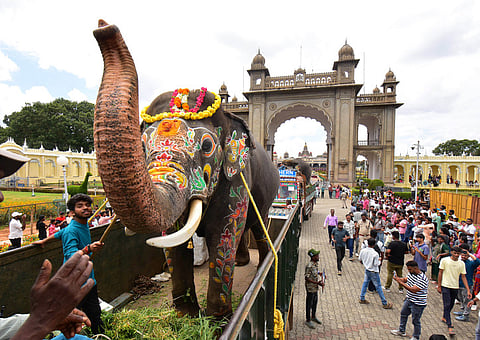
But while turning Mysuru into a tech centre is a welcome move, it is advisable that the government keeps in mind the ethos of the city. It is what Bengaluru was three decades ago—a pensioners’ paradise with a laidback lifestyle. But it’s also a city rich in history, heritage and culture, and a tourism and yoga hub that hosts the annual Dasara festival. Mysuru is adjudged cleaner than Bengaluru on the Swachh Survekshan national cleanliness survey.
The budget announcement is bound to rev up the property market in and around the city which is still much more affordable than the state capital. Developers would have started hunting for space anticipating rising residential and commercial demand. The fear is that what happened to Bengaluru after the 2000s’ IT revolution could befall Mysuru, too. A peaceful city could morph into a congested metro with dense traffic, unmanaged waste and unmonitored growth putting pressure on scarcer resources and infrastructure. While encouraging economic activity beyond the capital, the government should not export Bengaluru’s ills to the City of Palaces. Instead, it should draw up and act on a master plan to build robust infrastructure before opening the doors to the next IT gold rush.
