
India's Wholesale Price Index surged to a 42-month high of 8.3 percent in April, driven by the spike in crude oil prices. The jump was well beyond estimates, with one poll of market economists forecasting an increase of only 4.4 percent. The main culprit was the Gulf conflict sending crude oil prices soaring, with the benchmark Brent prices hovering at $100-114 a barrel through April compared to $65-70 before the war in February. In the WPI basket of commodities, the fuel shock led the inflation pressure—power, petrol and diesel costs collectively rose 24.7 percent.
Meanwhile, wholesale food prices remained comparatively stable in April, registering a 2 percent rise despite higher increases in vegetable and fruit prices. However, this is a temporary reprieve as the Gulf war has triggered a severe fertiliser shortage. With key suppliers in Qatar, the UAE, Saudi Arabia and Iran shut down, the prices of some fertilisers have soared by about 40 percent just before the kharif sowing season. The supply of sulphur, a critical input for phosphate fertilisers, is choked and rising natural gas prices have hit the production of nitrogen fertilisers. These rising costs of agricultural inputs will surely translate into higher food prices in the coming weeks and months. The shortages will also impact yields during the September-October harvest season and beyond. This is grim augury in a year the monsoon is expected to be below average.
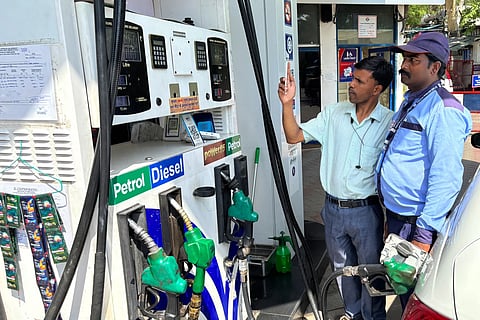
Accelerating the transmission of inflation from the wholesale to the retail level will be the rise in fuel prices announced on Friday by state-run companies, with petrol and diesel prices hiked by about ₹3 a litre and compressed natural gas by ₹2 a kg. The effect of higher domestic logistics and global freight prices will be felt on a wider variety of commodities than those passing through Hormuz. It will also surely weigh on RBI’s interest rate outlook. For the corporate world, higher costs would mean thinner margins, as some sectors will find it difficult to pass on the war surcharges entirely on to consumers.
With such widespread pain points and no clear end in sight to the Hormuz blockade, the call for austerity should be widened to cover more public and private institutions. Let’s buckle up for a rough ride ahead.
