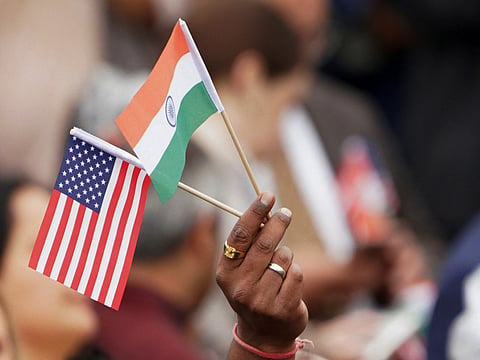

New twists in Trump’s tariff tirades are nothing new. Yet the 25 percent rate proposed on Indian goods on Wednesday came as a surprise, especially after Washington had promised New Delhi a competitive edge just a fortnight ago. The fact that India faces the second-highest duty among 14 countries—after Vietnam’s 35 percent—suggests the US is using it to extract a pound of flesh amid the ongoing bilateral trade negotiations.
True to form, the Trump administration wants to pressure India into signing the trade deal quickly, holding out the prospect of bringing the tariff down to 17 percent, giving India a slight edge over China, Bangladesh and Vietnam. More than the tariff itself, the findings of the investigation carried out under Section 301 of the US Trade Act of 1974, which blame India’s policies for creating excess domestic capacity, are a cause for concern. The investigation has flagged marquee initiatives such as the production-linked incentive scheme, Make in India and Atmanirbhar Bharat, all aimed at boosting manufacturing and creating jobs. India’s response has been measured, with denial of excess capacity in any sector and confidence expressed in negotiations for the trade deal.
One silver lining is that the tariff proposals first need to follow to a process of public consultation until January 5, followed by hearings scheduled to begin on January 25. The impact is also likely to be limited by the exemptions granted to exports of certain electronic, pharmaceutical and energy products, along with steel and aluminium that are covered by a different provision. However, the labour-intensive sectors likely to be hit the hardest—textiles, gems and jewellery—need to prepare for the eventuality, including by advancing shipments. India’s aggressive pursuit of market diversification has met with some success. Textile exporters expanded their reach to more than 120 countries in 2025-26.
However, given the scale of India’s trade with the US and the fact that the Trump, whose party has lost its congressional majority, does not need approval to impose tariffs under the provision being used, it would be imprudent to dismiss the threat of disruption. The US remains the largest buyer of Indian goods, accounting for $60 billion in exports during April-October 2026. India’s best hope for now is to conclude the trade deal quickly without compromising its core interests.
