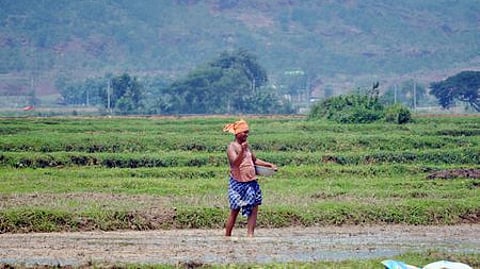

Odisha’s agriculture sector has just emerged from a difficult monsoon season. Six rounds of flooding since July have dealt a severe blow to the farming community, burdening the rural economy. The successive deluges affected lakhs of people, disrupted the main cropping season and forced the government to announce special assistance packages. Chief Minister Mohan Charan Majhi, accompanied by cabinet colleagues, undertook surveys to assess the damage. Estimates suggest that more than 40 lakh people across the coastal, southern and northern regions were affected by the recurring floods, while paddy crops in more than 2.12 lakh hectares suffered damage. The government also had to release close to ₹1,000 crore towards relief and the restoration of damaged property.
For farmers who had invested in seeds, fertilisers, labour and other inputs, repeated inundation wiped out months of hard work and left little time to prepare for the next agricultural cycle. The damage extended to agricultural labourers, small traders and rural households whose livelihoods depend on a successful harvest.
Now, the state faces the prospect of another weather emergency. Heavy rain is forecast as a developing cyclone approaches the Andhra Pradesh coast. With the harvest season drawing near, the storm threatens to damage kharif paddy at a critical stage. Such losses would not only deepen farmers’ distress but also jeopardise the wider rural economy.
Strengthening El Niño conditions add another layer of concern, with multiple reports projecting a warmer winter ahead. This could prove costly for agriculture. Odisha should prepare district-specific contingency plans to address these threats. Farmers must not be left to navigate successive weather emergencies on their own. El Niño can alter rainfall patterns, raising concerns about both excess rainfall and subsequent dry spells. Any lapse in preparedness could deepen rural distress and pose a serious challenge for the government.
The political implications are particularly significant, with local body elections just months away. Rural distress could shape public perceptions of the government’s response, but the urgency of the situation must go well beyond electoral considerations. Disaster management must shift from reactive relief to proactive preparedness. Odisha has repeatedly demonstrated its capacity to respond to natural disasters. But as climate-related risks become more complex, the real test will be its ability to shield the rural economy from the growing uncertainties of climate change.
