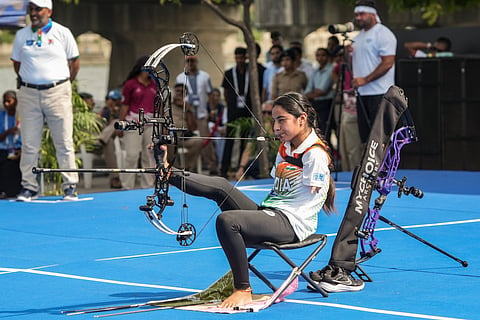

Sheetal Devi has turned into a household name across India. Whenever the double gold medallist archer takes aim, the cameras focus on her. She is just one of the several stars who shone brightly at the recently-concluded Asian Para Games.
Until about 2010, Indian para athletes were languishing at the bottom of the sporting ecosystem. An acute lack of awareness was reflected in the absence of world-class facilities. Para athletes—from runners and archers to shooters—were reluctant to pursue their sport. Even when they did, their talent was not adequately recognised. Then things slowly started to change. Its latest culmination was at Aichi-Nagoya, where India ended among the top four nations in the continent.
Numbers reflect India’s rising power. In the 2010 Asian Para Games, India had won only one gold—a haul that in 2026 reached 30 in a total of 114 medals. This performance rated higher than at the previous edition, where India won 111 medals including 29 gold, because of multiple reasons. Better recognition, which is definitely a motivator, is one side of the story. There have been investments in para sport down the years. Far fewer athletes—almost half of last edition’s 309—won more medals this time. This was possible because of smarter planning. At least 14 athletes competed in two events, which helped focus on excellence. Entries were selected meticulously. Better planning was reflected in the selection process, too, which was in place at least a year ago. Not wavering from the criteria meant there were fewer laggards in the contingent.
The Sports Authority of India and its Target Olympic Podium Scheme brought changes in the training and monitoring of para athletes. Along with SAI, there were various non-profit organisations that started to support athletes with the services of physios, masseurs and psychologists. Funding through corporate social responsibility funds increased. With such a surge in resources, the Paralympic Committee of India and other stakeholders must now be more responsible in using them. Like other disciplines, para sports must also infiltrate to the grassroots across districts and schools. Top-class infrastructure, which is not easy to access, should be made available to everyone who wants to pursue para sport. With Los Angeles 2028 less than two years away, India can dream of getting better results than ever.
