
The Climate Impact Lab at the University of Chicago has projected that the super El Niño building up could cause as many as 4,51,000 heat-related deaths across the world by next year. It has identified India as the fourth-most impacted country that may witness as many as 15,800 deaths. This El Niño, which is expected to intensify near the end of the year, is the strongest ever recorded. The study says the countries projected to see the largest fatalities could face the worst in the latter half of the forecast period—between December 2026 and February 2027.
Whereas El Niño is triggered when surface temperatures in the Pacific Ocean rise 0.5°C above normal, the more destructive super El Niño features an exceptional 2°C increase. This causes extreme disruptions across the planet, including severe droughts and floods, intense heat waves and massive crop losses. Enhanced glacial melt can result in catastrophes like the August flash floods near the Nepal-Tibet border that claimed thousands of lives.
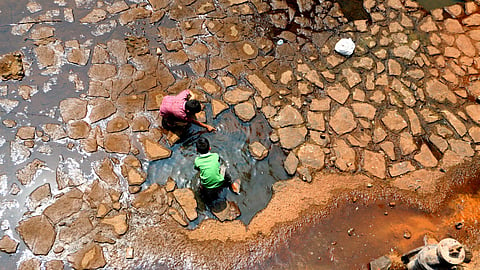
The study is a red alert for India. The warming of central and eastern Pacific Ocean disrupts standard trade winds, lowering moisture transport towards the Indian subcontinent and weakening India’s crucial monsoon system. The Indian Meteorological Department has linked this super El Niño to below-normal monsoon rainfall in parts of the country, excess rain in some others, an increase in prolonged dry spells and delayed onset of monsoon that have affected kharif crops like rice and maize, and made groundwater recharge uneven. This is in addition to the higher likelihood of landslides like the ones that have struck West Sikkim’s Rimbi village and Kerala’s Idukki and Malappuram districts this month.
This calls for immediately incentivising more drought-resilient crops that need less water; taking up district-level planning with advisories from the IMD and the Indian Council of Agricultural Research; closer monitoring of regional soil and irrigation conditions; paying close attention to micro-irrigation, grid optimisation and power-mix management; and, for the longer term, choosing a closely-guarded approach to infrastructure development in eco-sensitive areas. Local heat action plans need to updated and gaps filled at the level of municipalities and panchayats.
Science offers caution, but prudent and swift action must protect our people and resources. Failing that, the predicted calamity will have immense consequences for the nation.
