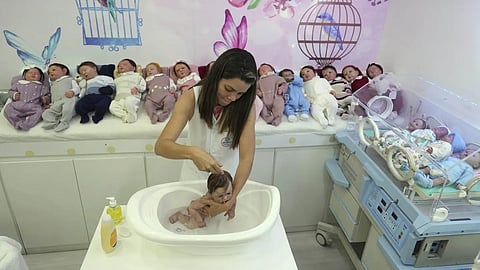

Across Spain and Brazil, hyper-realistic ‘reborn’ dolls—crafted to mimic newborns in weight, touch and skin tone—have emerged as a growing trend. Sold widely online, they are dressed, cradled and spoken to as if alive. For some, the dolls offer comfort in loneliness or grief and are even used for therapeutic care, including dementia support. But unease lingers beneath their popularity. The line between imagination and reality blurs when adults begin nurturing objects as if they were children. An industry thrives on this, profiting from loss and longing. Reborn dolls point to simulated relationships—possible precursors to AI companions and virtual partners—and raise questions about empathy, reciprocity and human complexity.