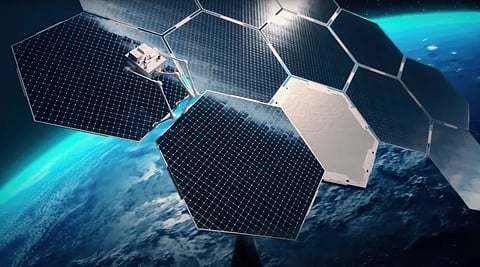

SpaceX, Google and other tech companies are advancing plans for orbital AI data centres. With abundant solar power and falling launch costs, they see space as the best future location. But low-Earth orbit’s already crowded. European Space Agency tracks 44,870 objects in orbit; 9,300 of them are operational satellites, while the rest are dead spacecraft, rocket stages and debris, alongside an estimated 1.2 million smaller objects. Still, SpaceX proposes a data-centre constellation of one million satellites, while Google’s Project Suncatcher envisions packed satellite groups. Collision risks are thus real: Starlink satellites executed 300,000 collision-avoidance manoeuvres in 2025 alone. With no binding regulations, approving data-centre fleets before enforcing stricter debris controls would be reckless.
