
The Supreme Court’s December 2 judgement on ensuring full accessibility for persons with disabilities inside prisons is far more than a routine legal directive. It is a reminder of something profoundly simple—human decency. For their claims to constitutional compassion not to ring hollow, states must follow the directive without delay. India had nearly 2.68 crore persons with disabilities according to the 2011 Census, and a far higher number if we go by global estimates. Yet, fewer than 40 percent possess a Unique Disability ID card, the document meant to unlock their entitlements. This gap mirrors the larger national failure: our laws speak the language of inclusion, but our systems remain indifferent.
The latest judgement expands what the court had made clear in earlier rulings—access cannot be selective, symbolic, or limited to certain institutions; it must be universal. This includes prisons—but also courts, railway stations, bus stands, airports, malls, cinema halls, parks, restaurants, places of worship, and every public gathering the State hosts. Accessibility is not charity; it’s a constitutional right.
India has made conscientious attempts to improve access, but we cannot pretend progress is anywhere close to adequate. With our massive population, meaningful change must come in two stages. First, we must retrofit the infrastructure we have—countless public buildings, some inherited from the colonial era, need urgent access audits and upgrades. Second, every new public structure must follow universal design principles from the start. This is where we can learn from countries that treat accessibility as non-negotiable: elevators and ramps by default, tactile paving on sidewalks, buses designed with low floors and ramps, websites that are readable by screen readers, and a culture that does not stare at disability, but accommodates it instinctively.
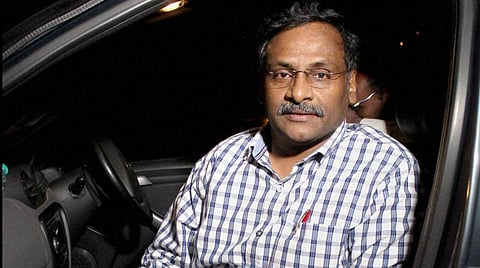
What the Supreme Court has done is reaffirm that accessibility is a fundamental right, not an optional extra. But there is a moral memory we must not push aside. Few stories capture the cruelty of inaccessibility as starkly as that of Prof G N Saibaba, who endured years of incarceration despite severe physical disabilities. Every day in prison was a humiliation forced by a system that did not care to meet his most basic needs. The impact on his health was irreversible. India does not need another Saibaba.
