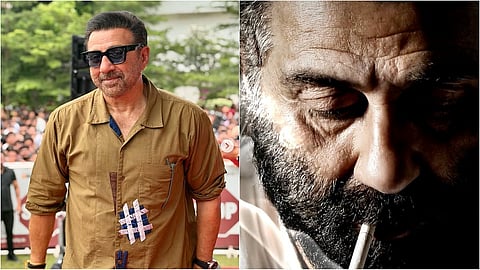

NEW DELHI: Expressing serious concern regarding the unfair portrayal of the medical profession and violence against them in the film 'Surya - Ant Se Aarambh Tak,' the Indian Medical Association (IMA) on Thursday wrote to the Union Information and Broadcasting Ministry seeking impartial review and subsequent ban of the Bollywood movie.
In a letter to the I&B minister, Ashwini Vaishnaw, IMA National President, Dr Anilkumar J Nayak, said they request his "urgent intervention in the larger interest of public health, healthcare worker safety, and the future of medical education in India."
The letter said that the movie’s promotional content raises concern about the generalisation of corruption within healthcare, the depiction of violence against medical professionals, and the potential consequences for public trust and the safety of healthcare workers.
The Hindi movie, starring Sunny Deol, is scheduled to release in movie theaters on November 20, 2026.
The film's trailer shows Sunny Deol's character fighting against doctors, nurses, and hospital staff, depicting them as engaging in medical corruption, overcharging patients, and prescribing unnecessary tests for commissions. The portrayal of doctors has already drawn the ire of the medical fraternity and many took to social media to slam the movie.
In his letter to the ministry, Dr Nayak said their key concerns are unfair generalisation and damage to the reputation of the medical profession.
The letter urged the minister to conduct an impartial review of the film's content and its portrayal of the medical profession; sought appropriate corrective measures from the filmmakers to address the generalisation of alleged misconduct and the depiction of violence against healthcare workers; and to consider a ban or other appropriate action if justified under applicable law.
Dr Nayak said the portrayal risks creating the impression of corruption, unethical practices, and alleged corruption in the medical fraternity. "While individual misconduct must be investigated and punished, the actions of a few must not be used to tarnish the reputation of countless honest and dedicated doctors," he said.
He also flagged scenes depicting physical assaults on doctors, nursing staff, and hospital personnel, particularly when presented as heroic or justified acts, risking normalising violence against those committed to saving lives.
“Doctors and healthcare personnel already face serious safety challenges in hospitals. Content that appears to glorify attacks on medical professionals may encourage hostility and further endanger those providing essential healthcare services,” the letter added.
It also said that such portrayals may foster unwarranted mistrust and hostility towards doctors, weakening the mutual trust and cooperation essential for effective treatment and healthcare delivery.
Stressing that the IMA, which has over 4 lakh members, does not support corruption, unethical medical practices, or professional misconduct, Dr Nayak said that any wrongdoing must be addressed through appropriate legal and disciplinary action.
“However, misconduct by individuals should not be generalised to an entire profession. India needs more dedicated and motivated doctors to meet the healthcare needs of its growing population. Such negative portrayals may demoralise medical students, discourage aspiring doctors from entering the profession, and undermine the dignity of a vocation built on years of hard work, sacrifice, compassion, and service to humanity,” the letter added.
The letter further said that “while we respect freedom of creative expression, it should be exercised responsibly, particularly when the safety of healthcare workers and public confidence in essential services are at stake.”
“Our objective is not to shield any wrongdoer from accountability, but to protect the dignity of the medical profession, ensure the safety of healthcare workers, and preserve public trust in the healthcare system,” it said.
