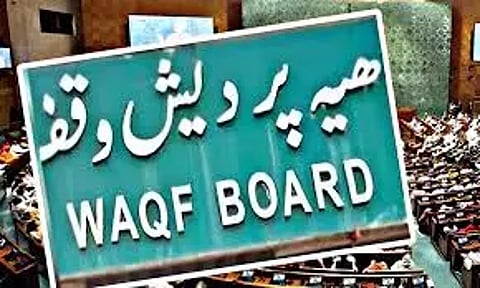

RAIPUR: A controversy erupted in Chhattisgarh following a proposal by the state Waqf board to mandate prior permission for Muslims marrying non-Muslims and a plan to officially register all ‘maulanas’ (Muslim clerics) who solemnise ‘nikah’ (Islamic marriage).
The move has drawn flak from within the community’s legal and administrative circles. Former state Waqf board chairman Abdul Salam Rizvi openly challenged the decision, asserting that the board is overstepping its jurisdiction.
“The mandate of the Waqf board is limited strictly to the management of Waqf properties, not intervening in religious and personal matters like ‘nikah,’” Rizvi noted.
He further emphasised that there is absolutely no legal provision empowering the board to act as a sanctioning authority for marriages. Rizvi did, however, concede that registering ‘maulanas’ could prove useful for maintaining cleaner administrative records and reducing future documentary disputes.
The controversy has also brought the Kazis Act into sharp focus. According to legal experts, the Act does not mandate that marriages can only be performed by a government-appointed ‘kazi.’ In practice, local mosque ‘imams’ and religious scholars routinely solemnise weddings and issue the ‘nikahnama’ (the contract of marriage).
Meanwhile, defending the initiative, Chhattisgarh State Waqf Board chairman Salim Raj stated that the proposed regulations aim to bring transparency and streamline marital records across the state.
“At present, marriages are performed in several places without centralised record-keeping. This frequently leads to identity disputes, confusion over the marital status, and documentation issues in future,” Raj expressed.
Under the proposed framework, any Muslim intending to marry a non-Muslim would require the board’s clearance, and disciplinary action would be taken against clerics performing weddings without such approval.
Record upkeep
Board chief says move to streamline marriage records
Says it will avoid disputes of identity and issues related to documentation
Clerics performing inter-faith marriages sans nod will face disciplinary action
