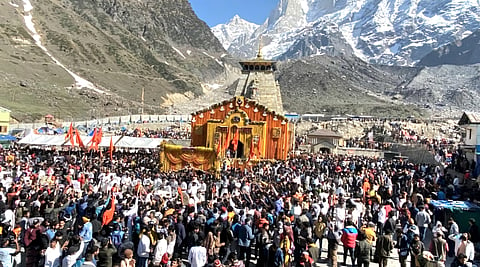

DEHRADUN: A record number of pilgrims visited Uttarakhand’s five major shrines in 2026, but the surge came alongside a sharp rise in fatalities and vehicle movement, according to a comparative analysis by the Dehradun-based SDC Foundation.
The study, prepared by SDC Foundation founder Anoop Nautiyal and Praveen Upreti, recorded 65,65,197 pilgrims at Gangotri, Yamunotri, Kedarnath, Badrinath and Hemkund Sahib in 2026, up 29% from 51,07,346 in 2025.
Badrinath received the highest number of pilgrims, at 23,49,345, followed by Kedarnath with 19,33,138, Gangotri with 10,07,177, Yamunotri with 8,84,841 and Hemkund Sahib with 3,90,696.
Footfall rose at all five sites, though the growth varied. Badrinath and Hemkund Sahib saw increases of 42%, while Yamunotri recorded a 37% rise and Gangotri 33%. Kedarnath registered the smallest increase, at 9%.
A longer pilgrimage season contributed to the higher totals. Gangotri, Yamunotri and Kedarnath remained open for about seven months in 2026, around 30 days longer than in 2025. Badrinath’s season lasted 208 days, compared with 206 days in 2025, while Hemkund Sahib was open for 141 days, against 139.
Speaking to the TNIE, Nautiyal said, “The analysis also found a steep increase in deaths. Fatalities rose from 182 in 2025 to 297 in 2026. Health-related natural deaths accounted for most of the increase, climbing 81% from 159 to 288.”
“Kedarnath recorded 142 health-related deaths, followed by Badrinath with 87, Yamunotri with 38 and Gangotri with 21. The previous year, the respective figures were 75, 45, 23 and 16,” Nautiyal added.
Nautiyal said the rise called for “serious attention and a comprehensive review of pilgrim safety and healthcare arrangements.” He urged authorities to strengthen medical facilities, health screening, emergency response and monitoring along the routes, adding that management must prioritise “human lives, preparedness and timely medical intervention.”
Disruptions were less frequent: zero-pilgrim days—when access is halted because of disasters, extreme weather or weather alerts—fell from 86 in 2025 to five in 2026. Gangotri recorded one such day and Yamunotri four, while the other three sites had none. The foundation attributed the improvement partly to a relatively less disruptive monsoon.
Daily averages, however, painted a more complex picture. Badrinath’s average rose 36% to 11,295 pilgrims a day, while Hemkund Sahib’s increased 33% to 2,771. Averages fell by about 6% at both Kedarnath and Yamunotri, and by 9% at Gangotri, despite the latter recording a higher total. Its longer season and fewer disruptions helped spread visits across more days, the study said.
Vehicle movement increased by more than 30%, from 5,14,016 in 2025 to 6,68,877 by November 14, 2026. Nautiyal cautioned that record footfall should be assessed alongside shrine capacity, road conditions, healthcare readiness, waste management and environmental pressures.
“Uttarakhand must move beyond the pursuit of record-breaking pilgrim numbers,” he said, calling for greater focus on safety, sustainability and the long-term future of the pilgrimage.
