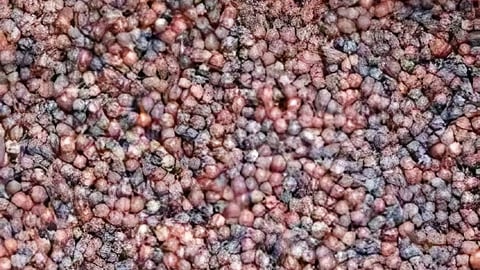

DEHRADUN: Uttarakhand’s traditional finger millet, or mandua, is gaining traction in domestic and overseas markets, with the Agriculture Department receiving orders and enquiries worth nearly Rs 8 crore this year for the hill state’s traditional crops, including millets.
A Gujarat-based company has sought 500 metric tonnes each of mandua, barnyard millet (jhangora) and amaranth (ramdana). The Agriculture Department has begun arranging storage, while the company’s representatives are expected to visit Chamoli next week to assess availability and procurement.
“Chamoli’s climate and geography are well suited to mandua cultivation,” said district chief agriculture officer J P Tiwari. Farmers in the region have traditionally cultivated the crop, which requires relatively little water. Chamoli sold 3,000 quintals of mandua last year, and demand remains strong this season, he said.
Deval-based organic farming trainer Laxman Bisht said mandua was currently selling at Rs 52.20 per kg, jhangora at Rs 52 and ramdana at Rs 85-90. The Gujarat company processes and packages the grains for export, including to China, he said.
Mandua is increasingly being used in noodles, biscuits, cookies and multigrain food products, while demand for its flour is also growing.
The rising demand is part of a broader push to turn traditional crops into sources of income and employment. Uttarakhand’s Millet Mission, which runs until 2031, aims to expand mandua cultivation by 70,000 hectares. The crop currently covers 61,332 hectares and produces around 90,273 metric tonnes, according to Agriculture Department figures.
Last year, 214 procurement centres purchased 53,000 quintals of mandua through cooperative societies. Farmers are also anticipating a proposed bonus scheme for crops such as mandua, amaranth and kidney beans to encourage cultivation.
The department has partnered with the Indian Institute of Millets Research in Hyderabad to develop mandua-based products. Officials said these products would be showcased to young people to encourage entrepreneurship, start-ups and self-employment.
Chamoli farmers also cultivate potatoes, red rice, black soybean, horse gram and pulses, while buckwheat and ogal are grown in higher-altitude areas. Farmers believe better marketing and processing facilities could improve returns from these crops.
Historian Jai Singh Rawat said mandua was among the region’s oldest and most reliable crops. “It grows with little water, even on rocky land, and has long symbolised self-reliance in the hills,” he said, adding that the grain remained deeply rooted in local food and cultural traditions, from traditional breads and dishes to folk practices.
Once threatened by declining cultivation and migration, mandua is increasingly being recognised for its nutritional value and commercial potential. For hill farmers, however, the challenge remains to translate rising demand into stable markets and better returns.
