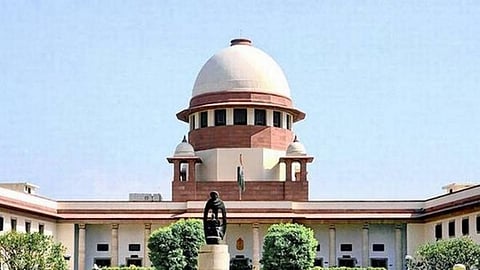

NEW DELHI: The Supreme Court-appointed National Task Force (NTF) on Student Mental Health and Suicide Prevention in Higher Educational Institutions (HEIs) is set to recommend major reforms to strengthen campus mental health services, address student distress and establish a framework for suicide prevention, with a particular focus on vulnerable communities.
The 18-member panel, chaired by former Supreme Court judge Justice S Ravindra Bhat, is finalising its report, which is due by October 31 following an extension of the deadline. Constituted in March 2025, the task force submitted its interim report to the Supreme Court on November 6, 2025.
Students from Scheduled Castes (SCs), Scheduled Tribes (STs), transgender communities and persons with disabilities have received particular attention, alongside women students.
“Through our extensive consultations with students from 30 colleges, including a few IITs, as well as online surveys, we understand that this section of students was in a state of higher distress compared to the rest of the student community. So, they have been given special focus. There has been considerable attention paid to women students too,” a task force member told this newspaper on condition of anonymity.
A key concern emerging from the consultations is the shortage of mental health services on campuses. Nearly two-thirds of HEIs in the country reportedly lack access to such services, while most do not have full-time mental health professionals.
“It is highly recommended to have a psychologist or psychiatrist for every HEI. However, the ground reality also needs to be taken into account. We do not have such medical practitioners in huge numbers,” another member said.
The panel has also flagged the absence of a dedicated statutory, regulatory or institutional framework to address and prevent student suicides. “Most interventions are generic and reactive,” a member said, adding that the gap had also been highlighted in the interim report. The task force has examined discrepancies in student suicide figures. According to a member, data from the National Medical Commission for 2022-24 recorded an average of 10 cases annually, significantly below the figure of 35 a year cited in media reports. RTI responses, the member said, suggested that the actual figure could be at least three times higher.
The panel is analysing the data and framing its final recommendations, though members indicated that it may seek another extension from the Supreme Court.
The task force has also consulted stakeholders, including journalists and social media influencers, on responsible reporting of suicides and the need to sensitise public discourse. Its findings will be placed before the Supreme Court for consideration.
