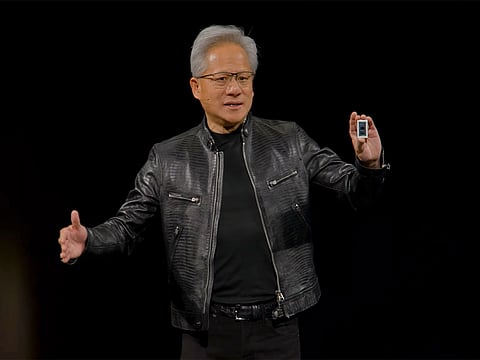

Nvidia, a key player in the Artificial Intelligence (AI) industry, is in the news these days, but for the wrong reasons. The US-based chipmaker is facing scrutiny after allegations emerged that a Chinese businesswoman suspected of spying for Beijing was in contact with its CEO and co-founder, Jensen Huang, who has now resigned from his post.
The allegations have raised concerns about whether sensitive business information or details about Nvidia’s technology could have reached China. However, it is not clear what information, if any, Alice Huang allegedly obtained or passed on to Beijing. Jensen Huang has acknowledged being unfaithful to his wife and apologised to his family. Nvidia has appointed an independent legal team to investigate the matter.
The latest controversy could increase scrutiny of Nvidia’s business dealings and its systems for checking customers. It may also add pressure on the US government to tighten export controls. Artificial intelligence has become a major area of competition among technology companies and countries.
India is expanding its AI infrastructure, with companies investing in data centres, cloud computing and AI services. The larger concern is whether the investigation will lead to stricter controls on the global movement of advanced AI chips. This could have implications not only for Nvidia but also for technology companies and countries investing heavily in AI.
