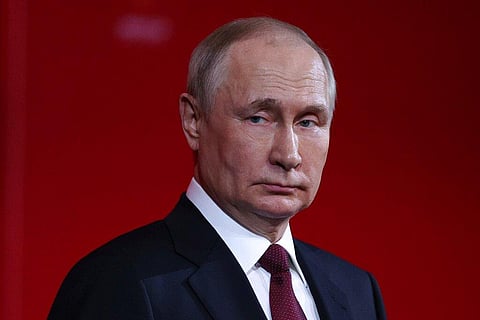

Russian president Vladimir Putin doesn’t drink. At official parties, he was once known to discreetly chuck his glass of vodka into a nearby flowerpot. But Russian vodka has reportedly made him a billionaire whose unaccounted wealth is shrouded in secrecy. The history of vodka is the story of Russia; from the time of the Romanovs to the Communists and Putin, it remains a pillar of the economy.
In the 19th century, the imperial family and their aristocratic chums running distilleries in their vast private estates exclusively owned vodka production. Sales comprised one-third of total state revenues. The Russian peasantry increasingly became alcoholics and too poor to revolt. Mark Lawrence Schrad, author of Smashing the Liquor Machine: A Global History of Prohibition, writes, “The splendour
of the house of Romanov—sprawling, opulent palaces full of amber, gold and jewels—was largely built atop the bloated livers and drunken poverty of the Russian peasantry.”
A lengthy exposé in POLITICO magazine shows how vodka affects modern Russia and enriches Putin. The world-famous Kristall vodka company, which produces Stolichnaya, makes a profit of $142 million and pays $89 million in taxes. It also occupies 30 percent of Russia’s vodka industry. While publicly attacking alcohol and promoting a healthy lifestyle, Putin established government dominance over the alcohol business. He appointed crony oligarch Arkady Rotenberg the chairman of a new spirits manufacturing ‘national champion company’ called Rosspirtprom: such companies are corporations in which the state owns the majority stake.
In August 2000, Rosspirtprom’s armed men took over the Kristall factory. POLITICO says Putin dominated the vodka industry through Rotenberg, who invested the profits in banking and construction for state-owned Gazprom—all controlled by Putin. Rotenberg was awarded a $7-billion construction contract for the Olympics. This year, Proekt, an independent Russian news outlet, revealed that retired gymnast Alina Kabaeva, reportedly the mother of Putin’s three children, owned million-dollar properties and enjoyed a lifestyle suitable to a Romanov.
It released documents showing Ermira Consultants, a mysterious Cyprus-based shell company, as her benefactor. Journalists quoted an inside source in the Kremlin saying, “The real owner of Ermira is President Putin” and that Putin and Rotenberg personally made hundreds of millions of dollars from the Russian vodka industry. Today Russia has the world’s largest booze problem: 2.2 million alcoholics, 0.7 million alcohol-related deaths and 0.16 million alcohol-related psychosis patients. Each Russian drinks an average of 11.3 litres of vodka every year. In 2003, Kristall even produced a new vodka brand under the name, Putinka.
In 2009, then Russian president Dmitri Medvedev’s anti-alcohol taxation drive almost destroyed Rosspirtprom and Russians began to drink more beer than vodka. Soon legislation was passed, increasing taxation on beer by 200 percent. The MP behind it was Viktor Zvagelsky from Putin’s United Russia party, who mystifyingly declared that “beer alcoholism is, in some cases, more dangerous than distilled spirits”. Coincidentally, Zvagelsky was a former deputy CEO of Rosspirtprom.And Russians chose vodka over beer again.
Though the duty of rulers is to protect their nations and people, autocrats and politicians amassing illegal wealth by misusing government power is stale news. Making money by keeping citizens high, however, is a new low. A defeat for Putin in the Ukraine war would perhaps reveal one day how rock bottom it could get.