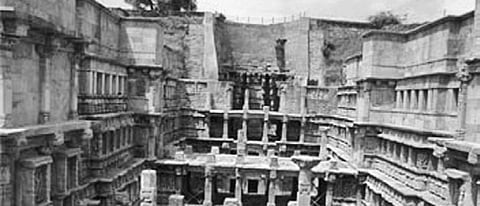

NEW DELHI: An 11th century ornamental stepwell, Rani-ki-Vav, located in the Patan district of Gujarat has been nominated to the World Heritage List by Unesco. The decision was taken during the ongoing meeting of World Heritage Committee at Doha, Qatar.
Unesco has recognised the step well known as Rani-Ki-Vav(Queen’s Stepwell), as a “masterpiece, an exceptional example of technological development in utilising ground water resources in a single component water management system. It illustrates the exceptional capacity to break large spaces into smaller volumes following ideal aesthetic proportions.”
The World Heritage status would mean that the ancient monument is put on the world tourism map thus attracting tourists from across the globe.
Locally, the government will have to prepare a conservation plan for the monument so that it is protected adhering to laid down global standards. India has 24 monuments including Tajmahal, Qutab Minar, Konark Temple and Ajanta-Ellora caves, on the WHC list.
PM Narendra Modi also expressed happiness over the nomination saying it was a “matter of great pride for us.” “Next time you visit Gujarat, you must visit Rani-ki-Vav, an excellent symbol of our great art and culture,” Modi tweeted. The seven storeys of ornamented panels of sculptures and relief in the step well represents the height of the Maru-Gurjara style.
The well was built by Queen Udayamati in 1063 in memory of her husband King Bhimdev I of the Solanki dynasty. The Vav was later flooded by the nearby Saraswati river and silted over until the late 1980s, when it was excavated by the Archeological Survey of India.
The vavs of Gujarat are not merely sites for collecting water and socialising, but also hold great spiritual significance. By carving out deities in the well, sanctity of water is portrayed. The Rani-ki-Vav is also referred to as a subterranean temple.
There are more than 800 elaborate sculptures among seven galleries.
