
AHMEDABAD: A key amendment to Section 10A(2a)(i) of the Banking Regulation Act, 1949, has extended the maximum continuous tenure of directors in cooperative banks, excluding chairpersons and whole-time directors, from eight to ten years, effective 1 August 2025.
Rajya Sabha data reveals that, in Gujarat alone, 169 directors of District Central and State Cooperative Banks have already crossed the eight-year mark, along with 876 directors in Urban Cooperative Banks. The change effectively gives these long-serving board members a two-year extension to retain their seats.
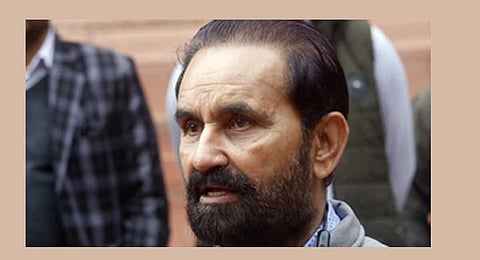
Rajya Sabha MP Shakti Sinh Gohil opened the attack by invoking the Banking Regulation Act’s earlier provision that barred directors from serving more than eight consecutive years.
He pressed the government for specifics, how many cooperative banks in Gujarat were allegedly flouting this limit, how many directors were involved, and where they were posted.
The Finance Ministry’s reply revealed a legislative twist that instantly altered the debate. It confirmed that Section 10A(2a)(i) of the Act has recently been amended to extend the maximum continuous tenure for cooperative bank directors, excluding chairpersons and whole-time directors, from eight to ten years. The amendment will take effect on 1 August 2025, effectively giving overstay directors a two-year reprieve.
The ministry also laid bare the scale of the issue in Gujarat: 169 directors in 16 District Central and State Cooperative Banks, and 876 directors in 145 Urban Cooperative Banks, have already crossed the earlier eight-year threshold.
It stressed that the Reserve Bank of India now has enhanced authority to disqualify chairpersons, order board reconstitution, and even supersede boards of all cooperative banks, though, for state-registered banks, such action must be taken in consultation with state governments.
Unmoved by the government’s explanation, Gohil accused it of double standards. He alleged that BJP-linked directors are being allowed to retain their posts despite breaching the previous cap, while Congress-affiliated members are swiftly removed in similar situations.
In his view, the tenure extension is less a reform than a political shield, one that keeps allies entrenched and converts a technical governance matter into a fresh flashpoint in Gujarat’s politically charged cooperative banking sector.
