
Amid rising temperatures across parts of India, paediatric experts are urging parents to take extra precautions to protect children from the dangers of heatwaves, warning that young bodies are particularly susceptible to heat-related illnesses.
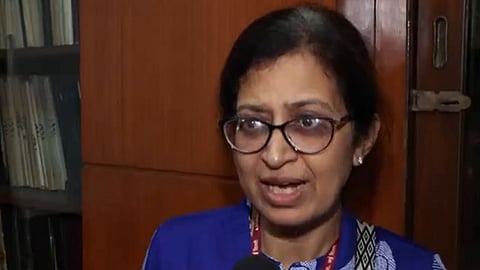
Dr Sheffali Gulati, Professor of Paediatrics at AIIMS Delhi, emphasised that children face a higher risk during extreme heat and require careful monitoring. Speaking to ANI, she stressed the importance of maintaining proper hydration, advising parents to offer fluids in small, frequent amounts while avoiding sugary drinks. She also recommended limiting outdoor activities during peak heat hours.
Highlighting risks for children with pre-existing conditions, Dr Gulati noted that those with epilepsy may experience an increase in seizures during heatwaves, while other underlying health issues could worsen. Infants, she added, need special attention as they are unable to express thirst, making it essential for caregivers to ensure regular fluid intake and a consistently cool environment.
Dr Gulati also pointed to early warning signs of heat-related distress in children, including irritability, rapid breathing, increased pulse rate, and drowsiness. In such cases, she advised increasing fluid intake and seeking medical attention promptly.
Beyond immediate physical effects, she underscored emerging concerns about the long-term impact of extreme heat on children’s cognitive and behavioural development. “Heat exposure can affect children holistically,” she said, calling for greater awareness of its potential neurodevelopmental consequences. Preventive measures such as dressing children in loose, comfortable clothing and following medical advice are essential, she added.
Echoing similar precautions for adults, Dr Naval Vikram, Professor in the Department of Medicine at AIIMS Delhi, advised those working in high-temperature conditions to take regular breaks in shaded areas, ideally for 15 to 20 minutes after every two hours of work. He also recommended wearing loose clothing, covering the head, and maintaining consistent hydration by consuming fluids every 30 to 45 minutes.
Meanwhile, the India Meteorological Department (IMD) has forecast isolated to scattered light to moderate rainfall accompanied by thunderstorms, lightning, and gusty winds reaching speeds of 30–40 kmph in several northern regions. These conditions are expected over Punjab, Haryana, Chandigarh, and Delhi on April 29 and 30, and again between May 2 and 5. Similar weather patterns are likely in Uttar Pradesh on April 29 and 30, in West Rajasthan on April 29 and between May 2 and 5, and in East Rajasthan from April 29 through May 5.
(With inputs from ANI)
